
Panelled
Cloth cut into panels and stitched. The seams carry load across the sail. Proven, repairable anywhere, and the least expensive.
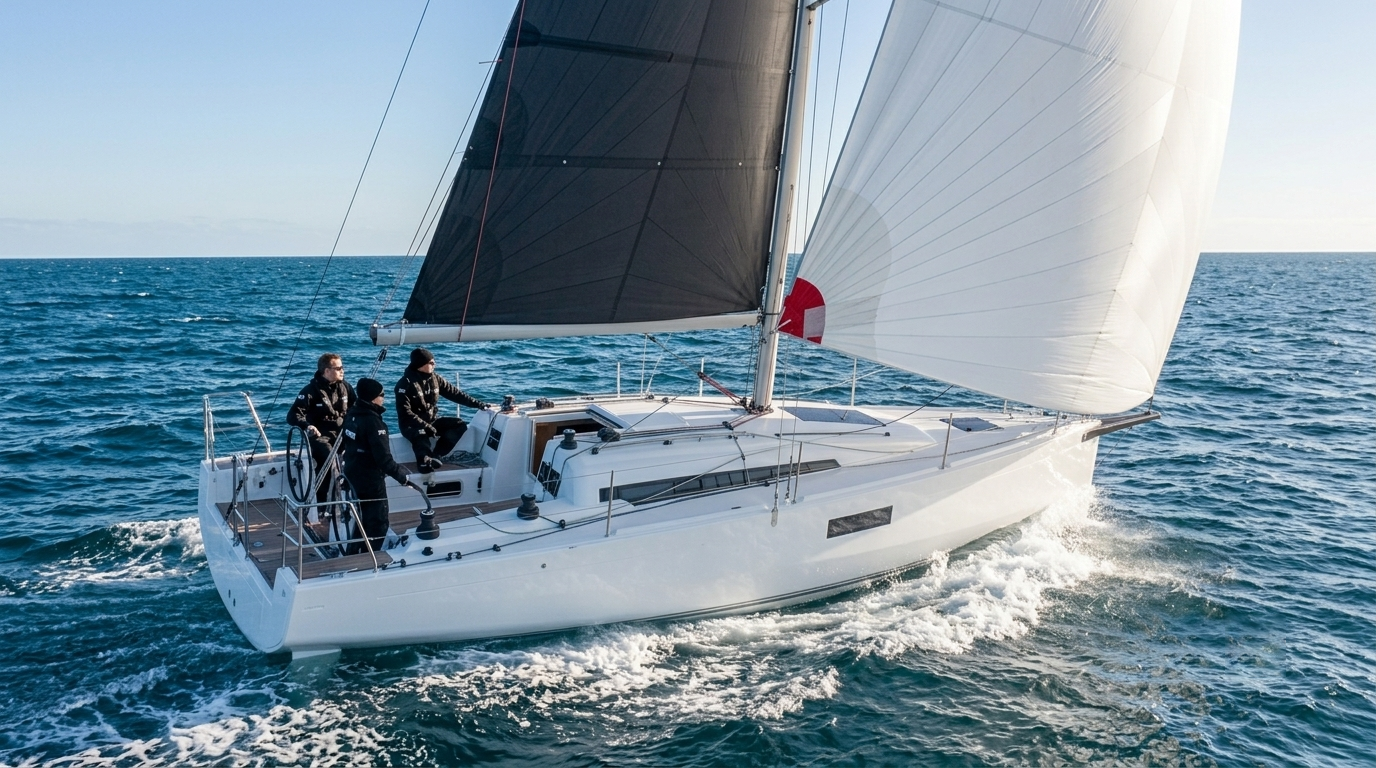
Construction
Three ways to build one, and the honest version of what each costs you — in money, in weight, and in seasons.
Compare the options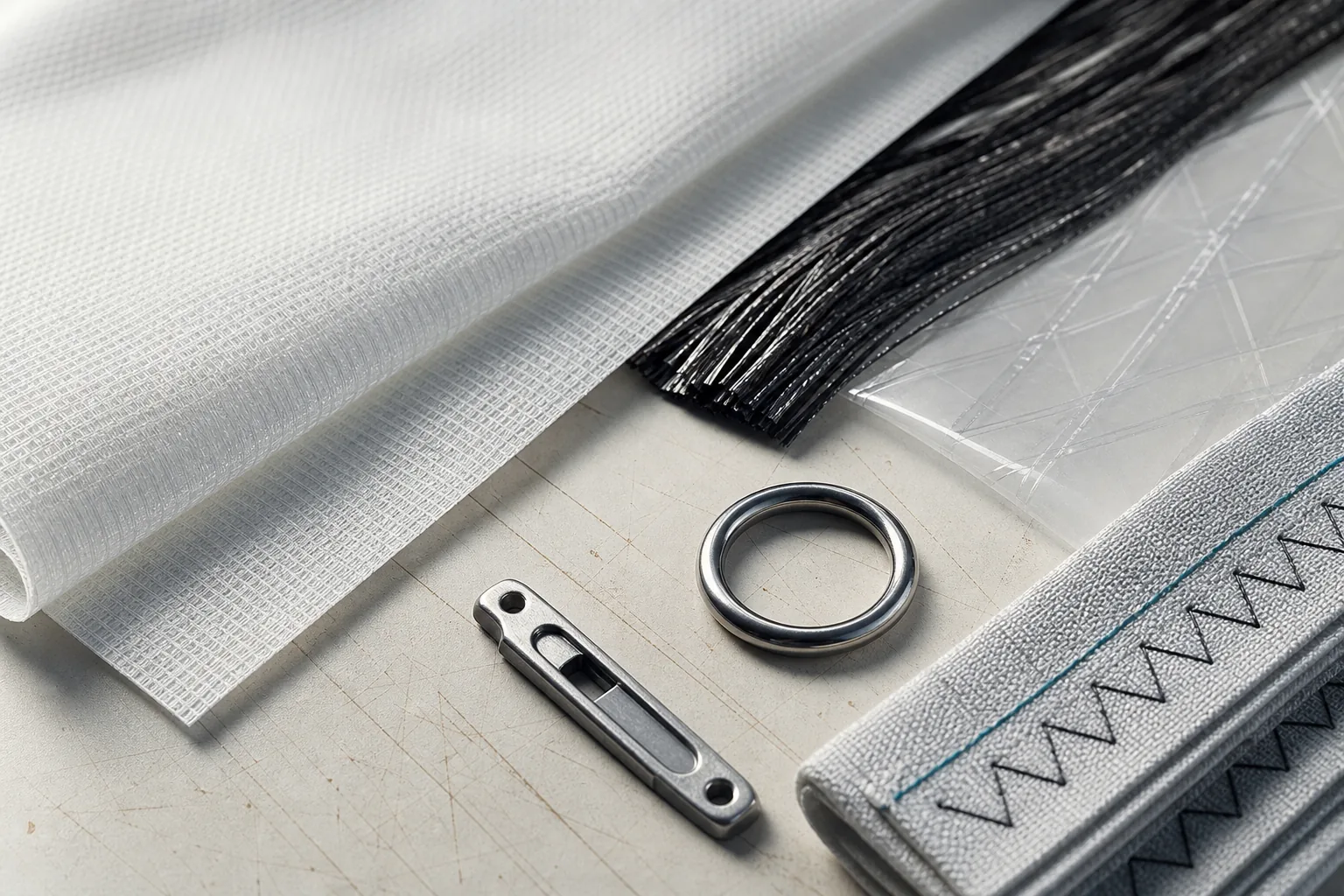
Three ways
Cloth cut into panels and stitched. The seams carry load across the sail. Proven, repairable anywhere, and the least expensive.
Film and fibre bonded into a sheet, then cut into panels. Holds shape longer than woven cloth for the same weight.
Fibre laid continuously along the load paths, then bonded into one surface. No seams carrying load. Holds shape longest.
SurgeX
Continuous fibre routed corner to corner along the paths the load actually takes, then bonded into the surface. Carbon or fibreglass, three density schedules, taffeta or film face.
Configure a membrane sail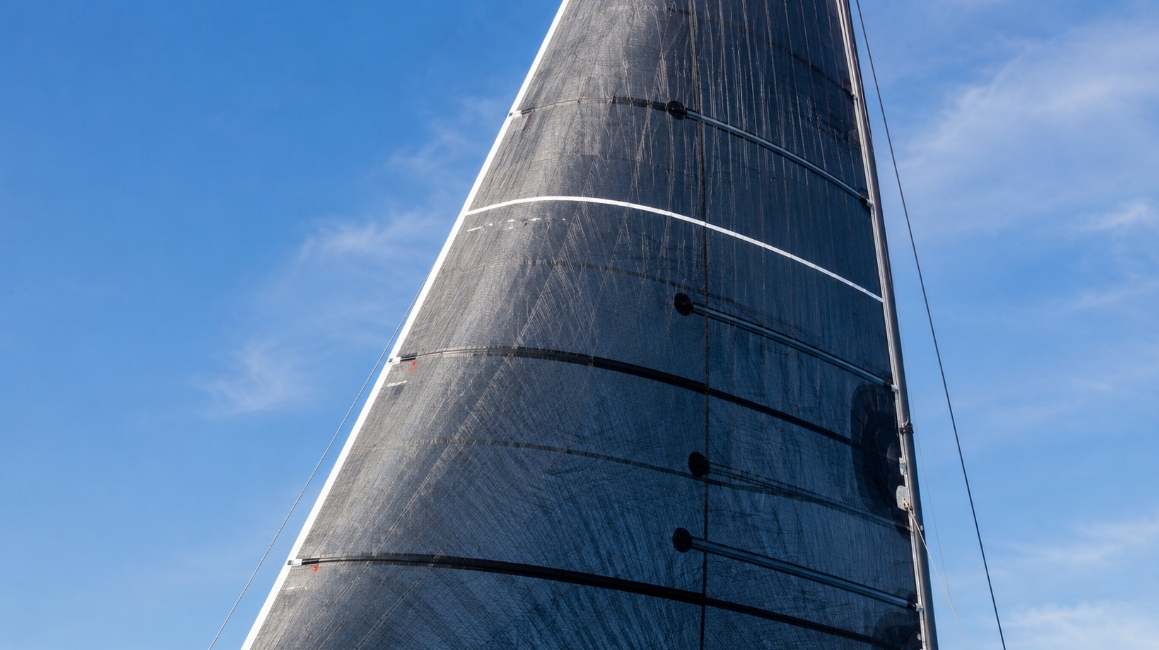
Materials
Carbon or fibreglass, routed corner to corner.
Cruising, performance or offshore schedules.
Taffeta for UV and handling, film for dry-stowed racing.
A sailmaker checks routing and hardware before release.
Why it costs what it costs
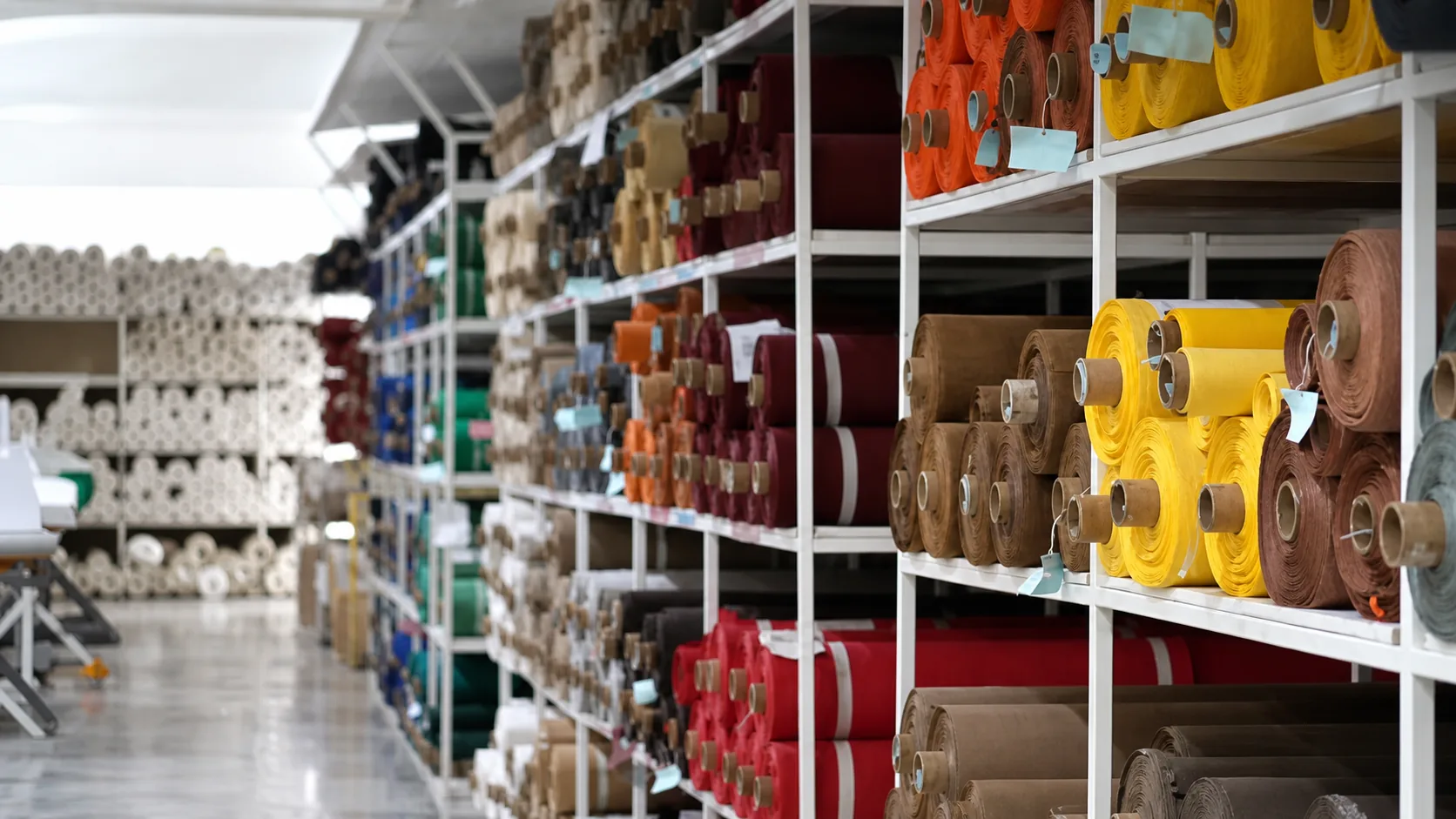
The big lofts make excellent sails. Their price also carries a global retail network, regional offices, and the cost of every quote that never became an order. Ours carries none of that.
See your priceSail Passport
Configuration, cloth, sailmaker review, final measurements and service history, linked to the sail itself. When the sail ships, the record goes with it.
See Sail Passport