A cruising yacht sailing across open blue water

Sails

Five sails. One boat record.

Every sail starts in the same place: your boat, how you sail it, and what the cloth must survive out there.

Find your boat

Choose the sail

Five sails.

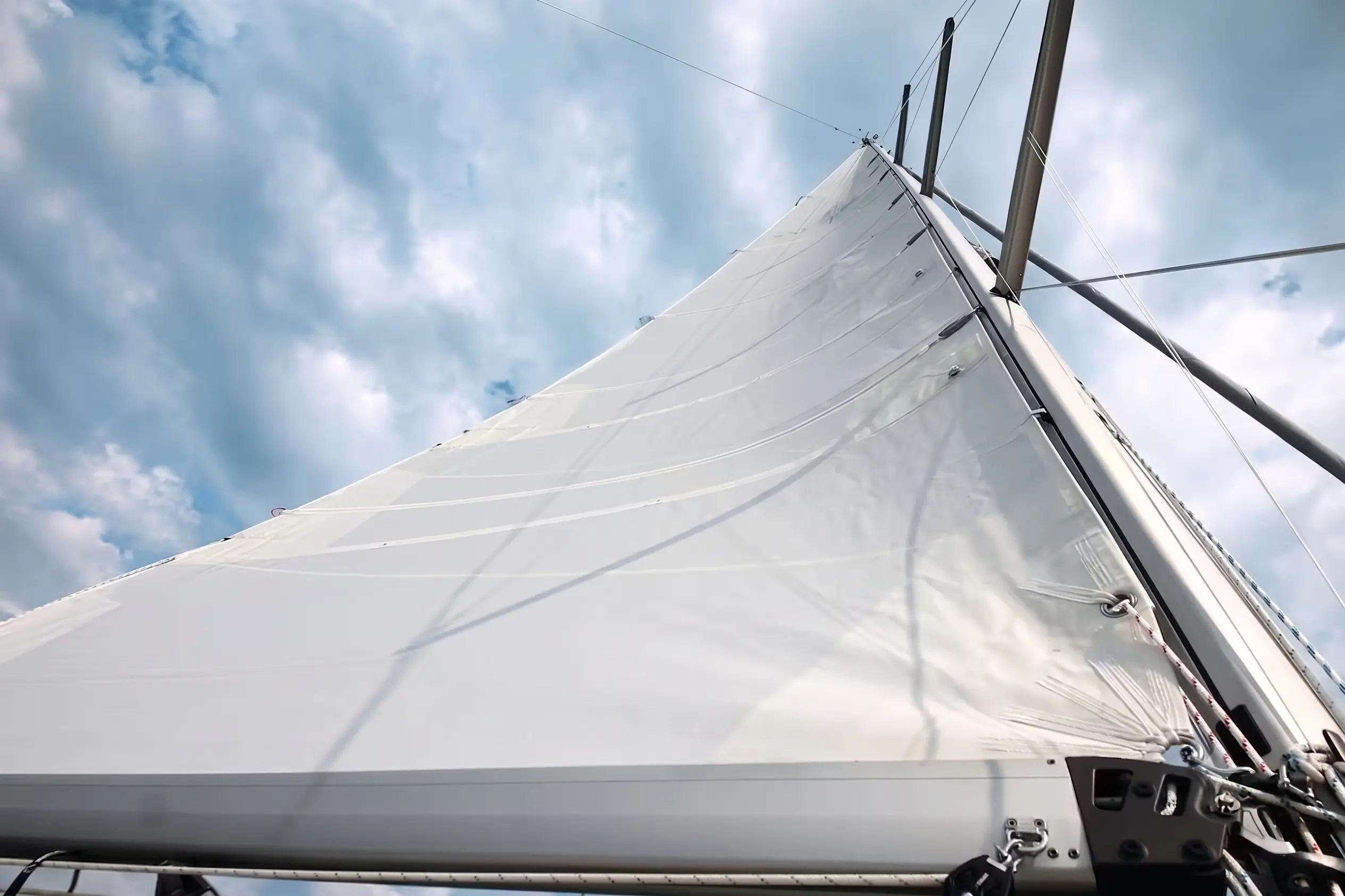
Mainsail filled on a cruising yacht beneath a bright sky

Every point of sail. The one you use most.
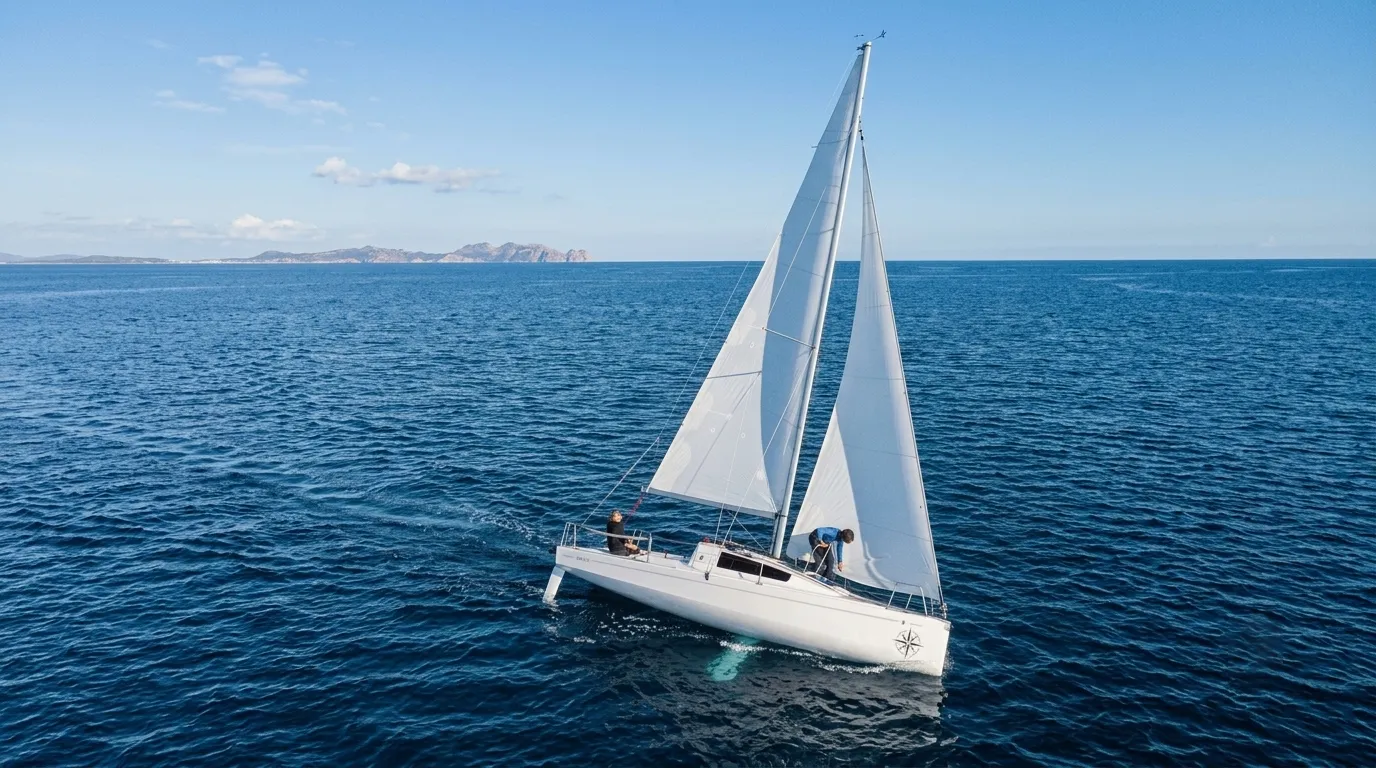
Mainsails

For most cruising boats, a well-built panelled dacron or a cross-cut laminate covers it.
White headsail drawing a cruising yacht across open water

Upwind and reaching. Jib, genoa, storm jib.
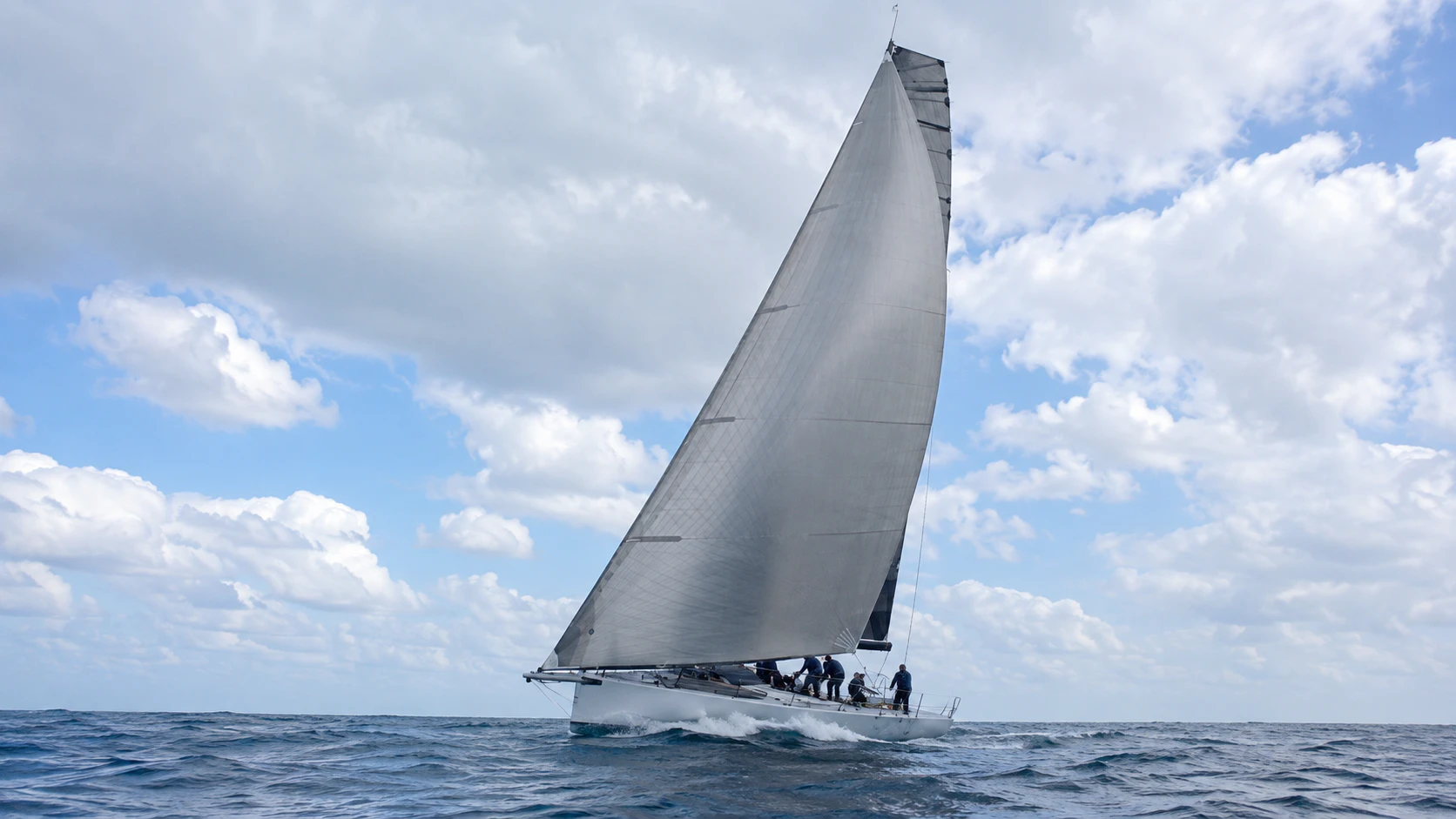
Headsails

A furling genoa suits most cruising boats. A foam luff helps if you often sail it part-furled.
Performance yacht sailing under a light gray Code Zero

Tight reaching in light air.

Code Zero

Works best when it can be tacked well forward — a bowsprit or a suitable fitting. Worth checking what your boat can carry before you choose one.
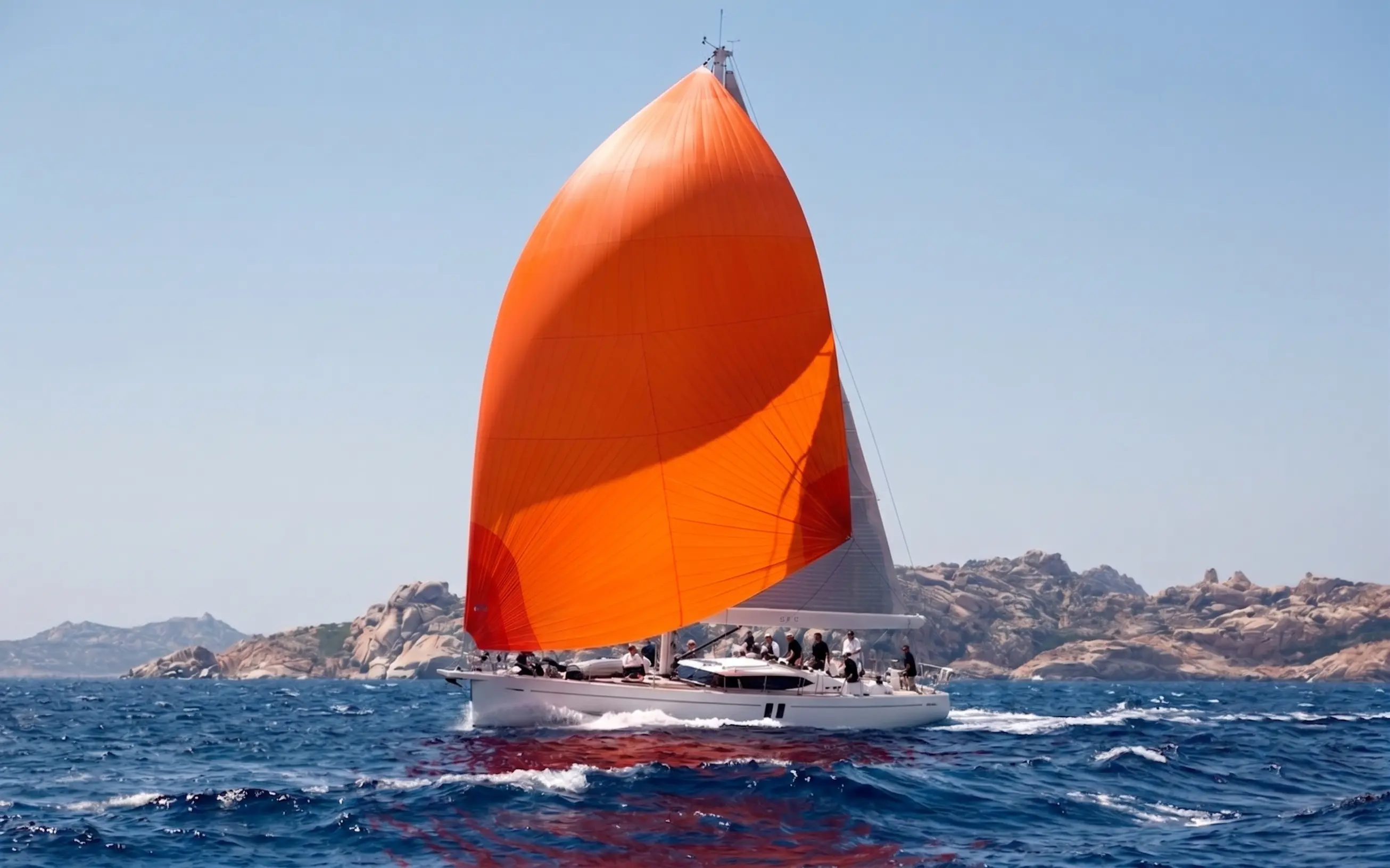
Orange gennaker flying from a yacht in open water

Cruising downwind, short-handed.

Gennakers

A good single downwind sail for cruising, and the easier one to handle with a small crew.
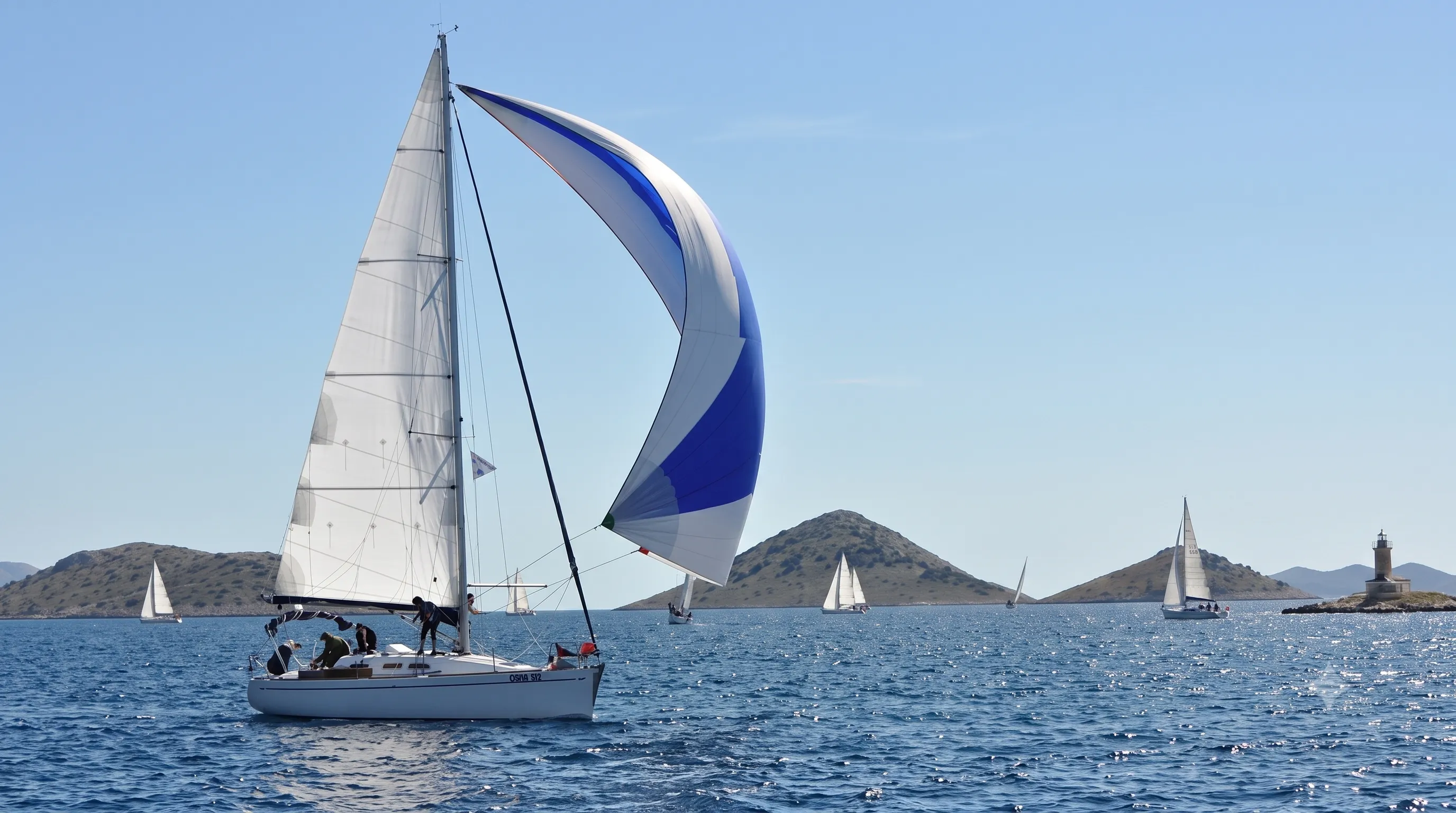
Blue and white spinnaker flying beside a racing yacht

Racing downwind, with crew.

Spinnakers

Symmetric spinnakers work best with a pole and crew. Short-handed, a gennaker is usually the simpler answer.

How you sail

The same boat, three different answers.

Usage is what the sail is designed to do. It is not the same question as how strongly it is built, or which cloth it is cut from — those are separate choices, and the configurator keeps them separate.

Cruising

Coastal and long-distance cruising, often short-handed.

Design goal
Reliable, durable, easy to handle, low maintenance.
The question it answers
How long will it last, how easily does it handle, and how simply can it be repaired?
Configure for cruising →

Performance Cruising

You cruise, but you also care how the boat goes.

Design goal
Better shape holding and performance, without giving up cruising durability.
The question it answers
How far into the breeze does the shape hold, and what does that cost in weight and in life?
Configure for performance cruising →

Racing

Racing, from club level upward.

Design goal
Race performance, weight, shape holding and rating targets.
The question it answers
What wind range, what weight, how adjustable, and what does the rule allow?
Configure for racing →
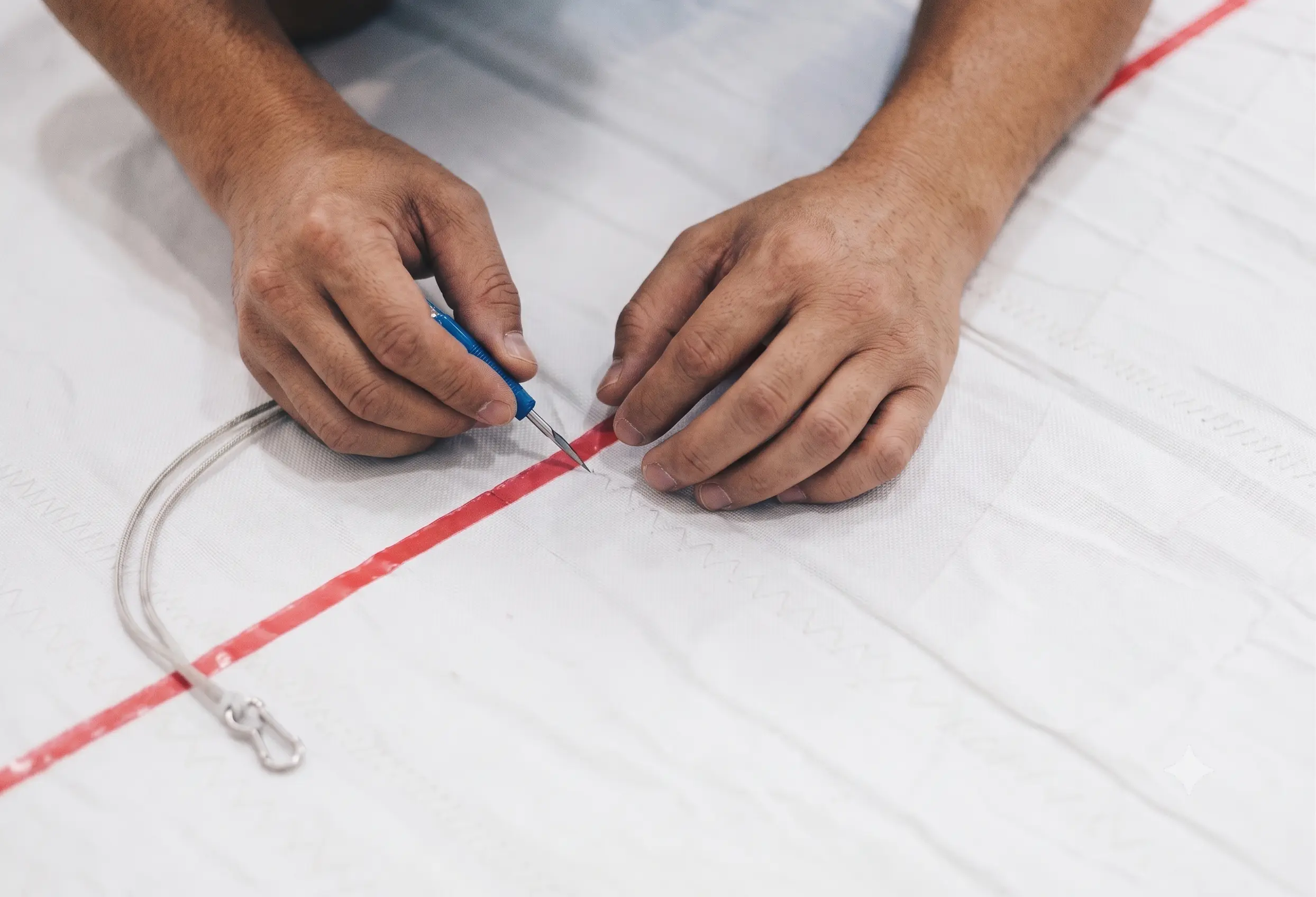
Sailmaker marking and inspecting cloth during construction

Cloth and construction

Three ways to build the same sail.

01

Panelled

Cloth cut into panels and stitched. The seams carry load across the sail. Proven, repairable anywhere, and the least expensive.

02

Laminate

Film and fibre bonded into a sheet, then cut into panels. Holds shape longer than woven cloth for the same weight.

03

Membrane

Fibre laid continuously along the load paths, then bonded into one surface. No seams carrying load. Holds shape longest.

Read the construction standard

Four decisions

Four questions, not one.

These are separate on purpose. A cruising sail built to a heavy standard in a performance laminate is a perfectly sensible thing to want, and collapsing the four into a single good-better-best ladder would make it impossible to ask for.
  • 01 · Sail typeWhich sail. Mainsail, headsail, Code Zero, gennaker or spinnaker.
  • 02 · UsageWhat it is designed to do. Cruising, Performance Cruising or Racing.
  • 03 · Build StandardHow strongly it is built. Standard, or Heavy-Duty where the rules call for it.
  • 04 · ClothWhat it is cut from. Woven, laminate or membrane, in the weight the sail needs.

Storm sails are not a sixth category.
They replace the sail they stand in for.

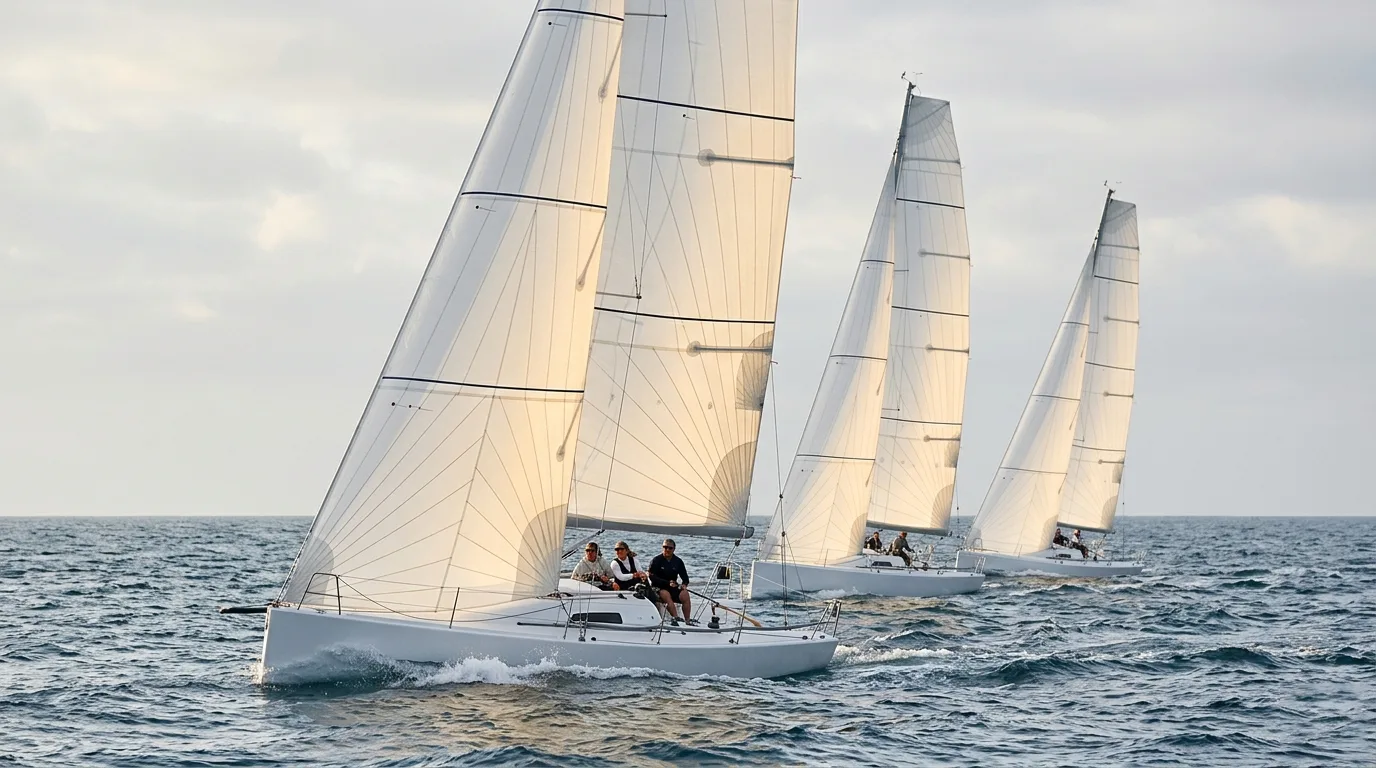
Several cruising yachts sailing together, each rig carrying a different sail plan

Where it starts

Your boat decides more than you'd think.

Rig dimensions, sail area, what your mast and boom already carry — most of the sail is settled before you choose anything. What's left is the short list only you can see.

Find your boat

Cloth

The cloth decides how long it holds its shape.

Dacron, laminate and membrane aren't a good-better-best ladder. They're three answers to different questions about how you sail, and how long you want the shape to last.

Construction and materials

Sailcloth inspected by hand under clear workshop light

A human check

A sailmaker reads every order.

Whichever sail you configure, the same check happens: dimensions, fittings, hardware, and whether the thing will actually go on your boat.

How buying works
Chat on WhatsApp