
We already have the boat, the rig and the last build. You are not starting over.
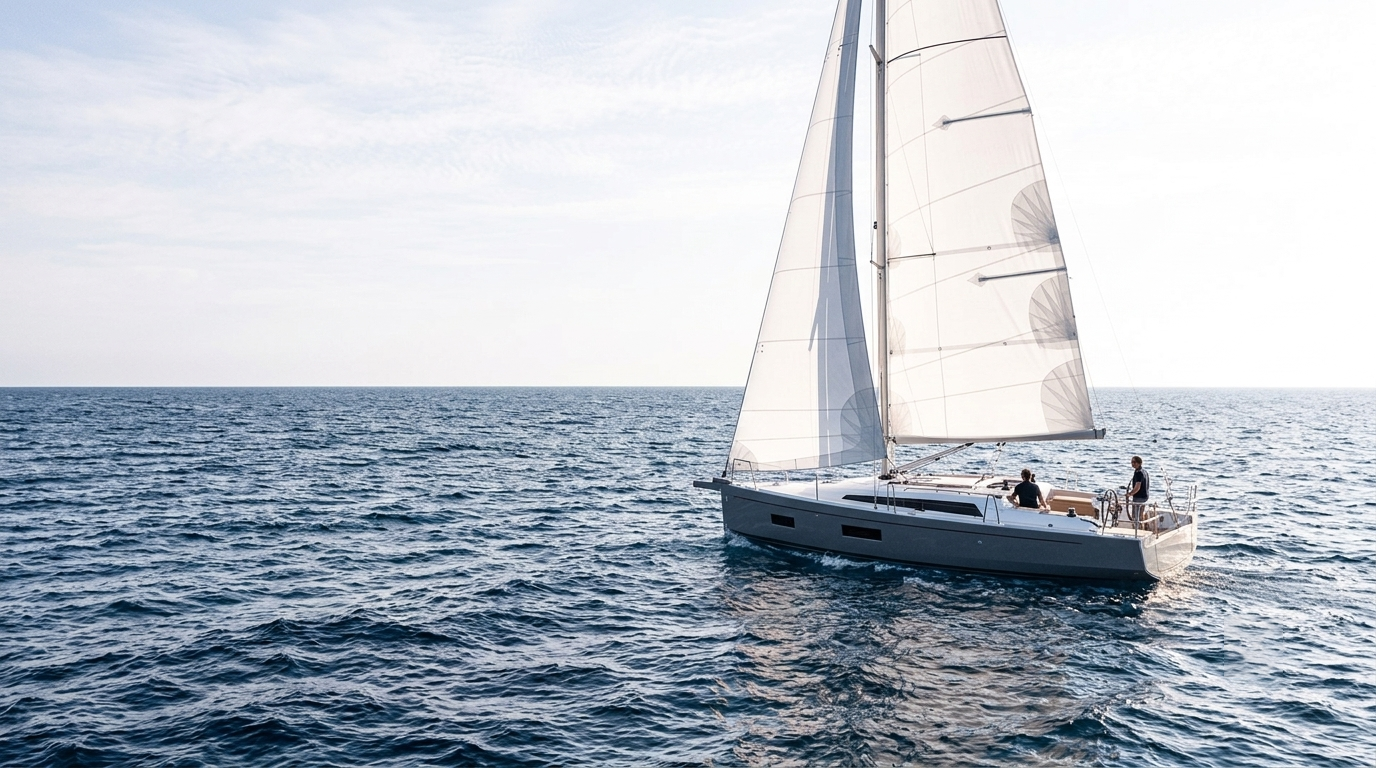
Sail Passport
The sail remembers, so you don't have to.
An NFC tag sits in the luff tape. Tap your phone against it and the whole build record opens.
How buying worksMost sails have no memory.
A sail arrives, gets used for a decade, and nobody can say afterwards what it was made of or who checked it. Every SurgeSails sail leaves with one.
The complete file
The complete file. Not a summary.
- Build
- When the sail was designed, when it was cut, when it shipped — and what it was built to do.
- Design
- Every dimension set during design. Sail area, edge lengths, draft positions, batten geometry, reef points, reinforcement layout.
- Review
- The sailmaker's notes: what was checked, what was confirmed, what was adjusted before production. With name, date and sign-off.
- As built
- Final measured dimensions, cloth, fittings and the completed sail record.
- Since
- Every service note, repair and alteration added to the sail after it left.
When it matters
A record is most valuable when you didn't expect to need it.
Whoever does the work can see how the sail was made before touching it.
What was built, when, and by whom — in a form someone else accepts.
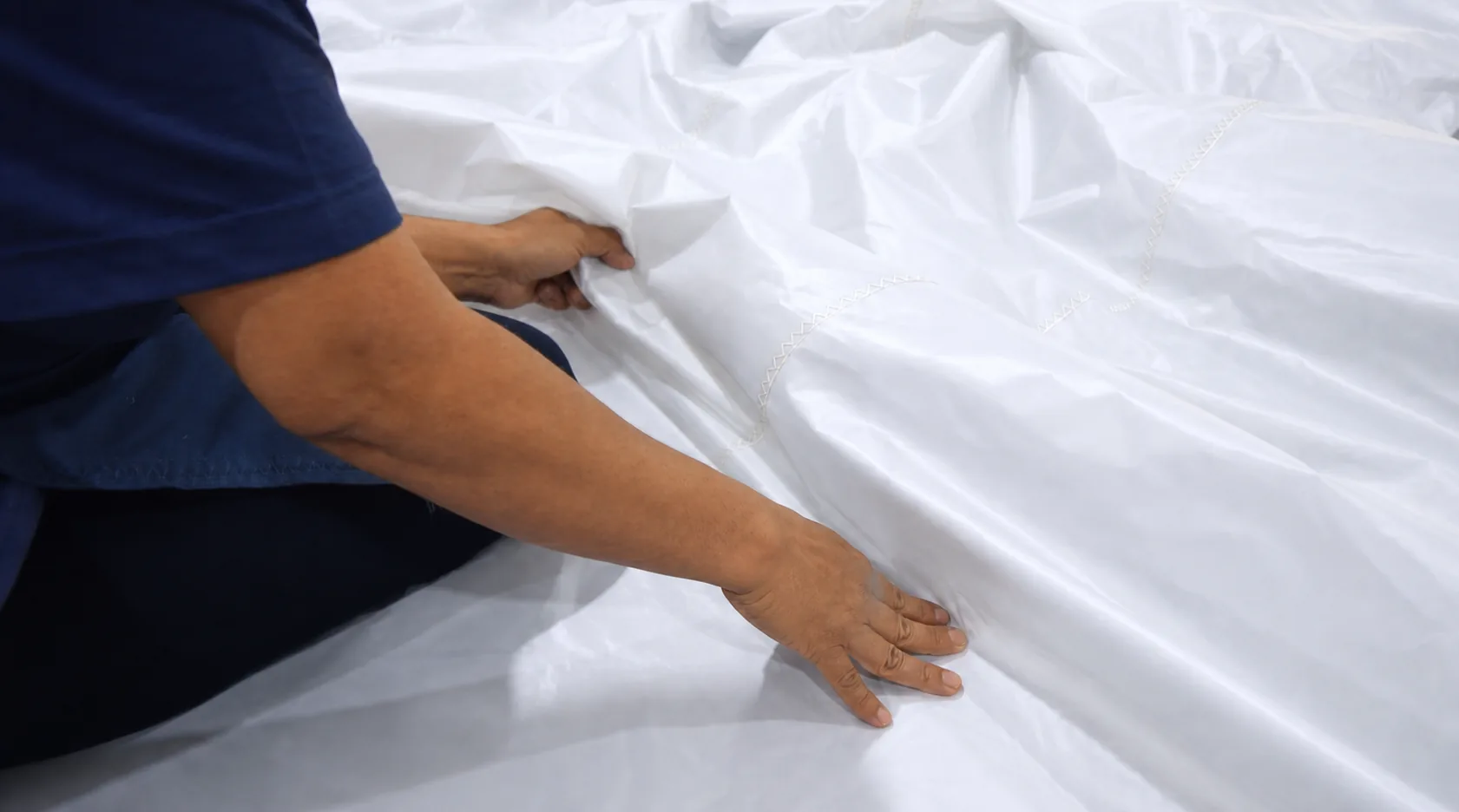
End of life
Replace before you regret it.
The tag tracks how much UV the sail has actually absorbed. When the data says you're heading into the last stretch of useful life, we tell you — before the shape goes, not after.
Inspection and maintenanceWhen you sell
The record stays with the boat.
The next owner inherits the whole Passport. Every measurement, every batch, every service note. Your buyer sees exactly what they're getting.