
Most headsails have no battens, and that is the correct answer for most headsails. This page is about the two cases where they are used, because the two are structurally unrelated to each other.
Why a headsail usually has none
A batten exists to hold out roach and to stop a leech curling. A headsail’s leech is normally cut hollow — see Size, Overlap and Shape — so there is no roach to hold out, and a hollow leech does not curl.
Adding battens to such a sail adds pockets, weight, thickness and things to service, and supports nothing.
Horizontal battens
Used where a headsail carries roach and does not have to furl.
Structurally they behave as they do on a mainsail: they run forward from the leech, they hold out the area outside the head-to-clew line, and their load is concentrated at the aft end. A headsail batten is normally short — it supports the leech rather than the whole section — so it needs a closed pocket at its forward end and nothing more.
The reason they are rare is the constraint rather than the structure: a horizontal batten cannot be rolled around a foil. A headsail with horizontal battens is a hanked or removable sail, which puts it outside how most cruising boats are set up.
Where they do belong is on a self-tacking or high-clewed jib whose leech is clear of the mainsail, on a boat that changes sails rather than furling them.
Vertical battens
Used where a furling headsail needs some leech support anyway.
They run up and down the sail rather than across it, so that they roll around the foil with everything else. That solves the furling problem and creates several others.
They support the leech indirectly. A horizontal batten pushes against the leech along its length. A vertical batten runs parallel to the leech and stiffens the cloth beside it. It resists curl rather than holding out area, and it does so less positively.
They limit how much roach is possible. A vertical batten cannot hold out much beyond the straight line, so a furling sail with vertical battens carries modest roach at best.
They add thickness that accumulates. Anything with a thickness rolls up many times. A vertical batten is a long stiff object lying close to where the sail wraps, and its bulk shows up through the roll. Length, section and position are constrained by that as much as by what the leech needs.
They must flex around the foil. A batten stiff enough to be useful and flexible enough to roll is a narrower design window than a horizontal batten in a mainsail.
The result is a genuine engineering compromise rather than an upgrade. Vertical battens are worth having where the sail must furl and the leech genuinely needs support; they are not worth adding to a plain furling genoa with a hollow leech.
Pockets and ends
The pocket contains the batten and manages the wear and distortion that come from a stiff object living in a flexible surface.
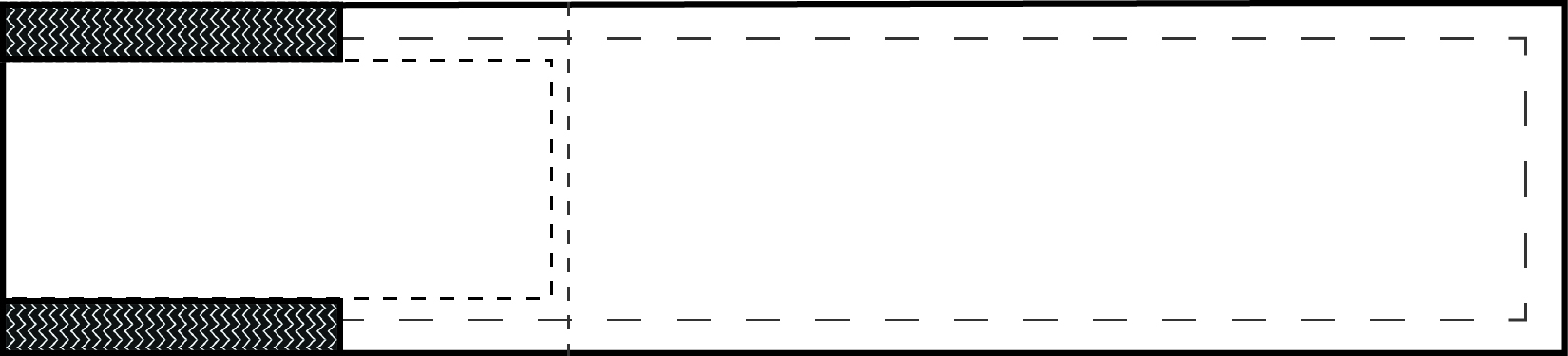
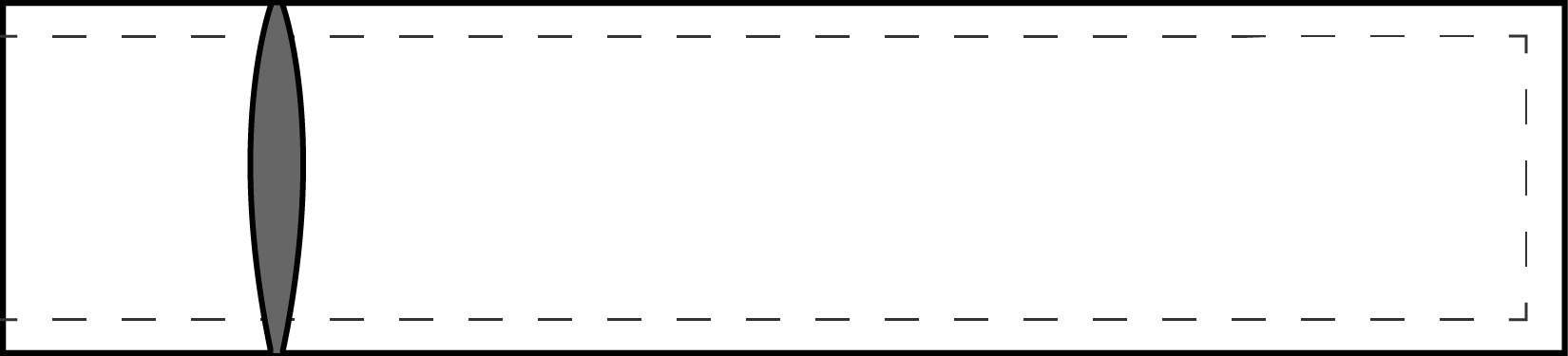
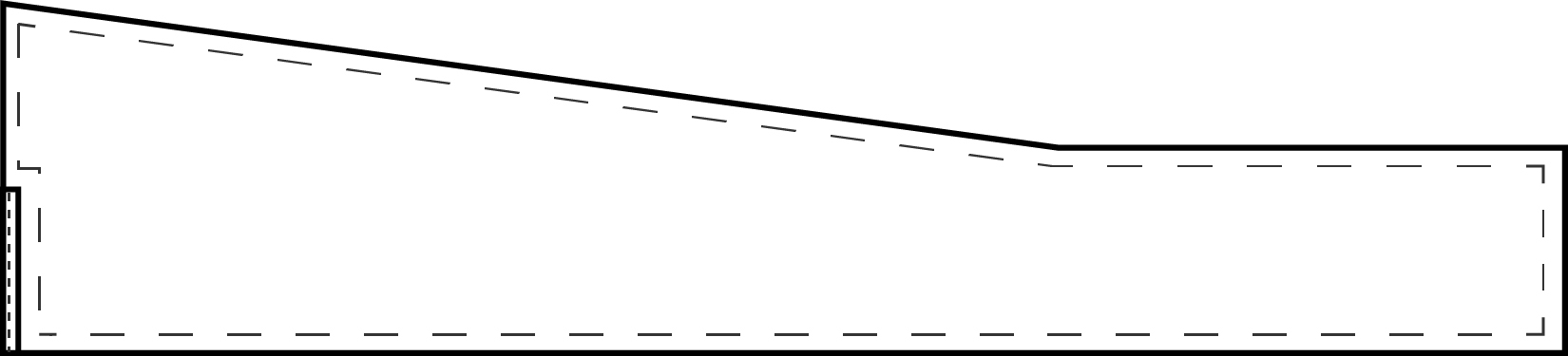
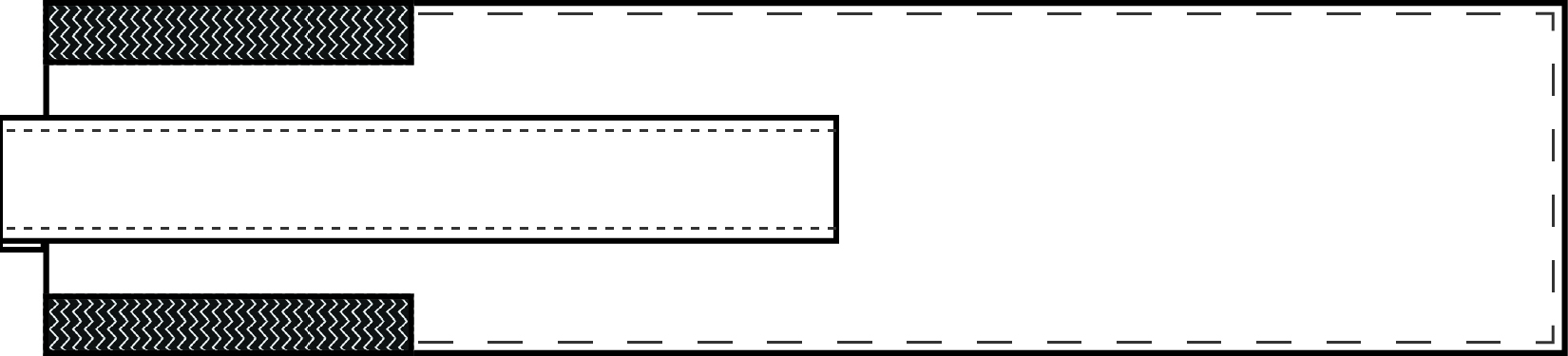
Three decisions: the base, which spreads the batten’s load into the sail and has to agree with how the panels around it carry load; the cover; and the entry direction, which sets from which side the batten goes in.
On a furling sail there is a fourth: the pocket has to be as flat as it can be, because it is going into the roll.
The finishing end has to hold the batten under load and release it when it needs to come out. Whichever closure is used, the practical tests are the same — it should be removable with the sail down and no special tools, it should not release under load or when the sail flogs, and nothing should protrude that will catch as the sail passes the rig on every tack.
Pocket and base widths follow from the batten section and the cloth, and are not configurable.
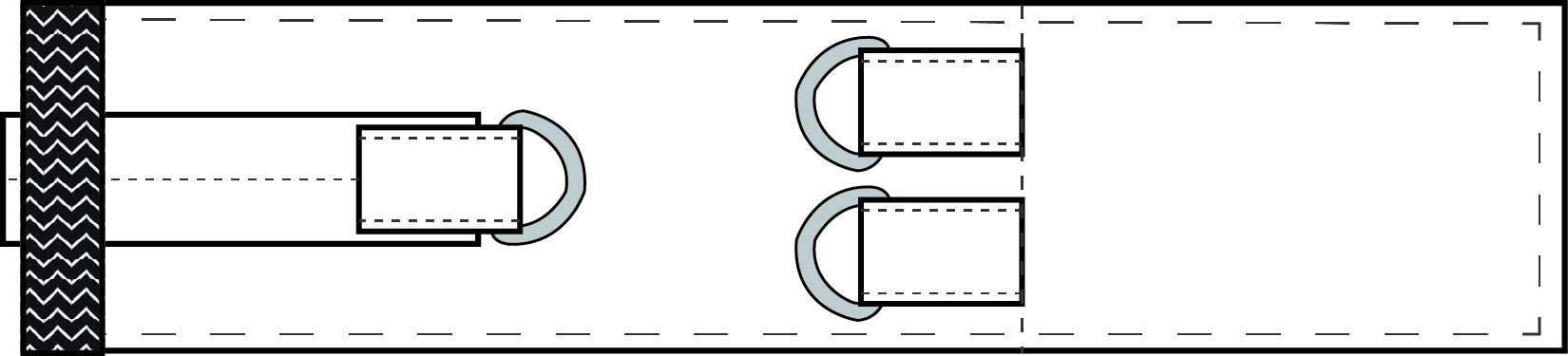
Pocket finish reference
These nine drawings distinguish finishes that are easy to blur together in words. In particular, the two Velcro inserts and the three tie-in constructions remain separate manufacturing details.
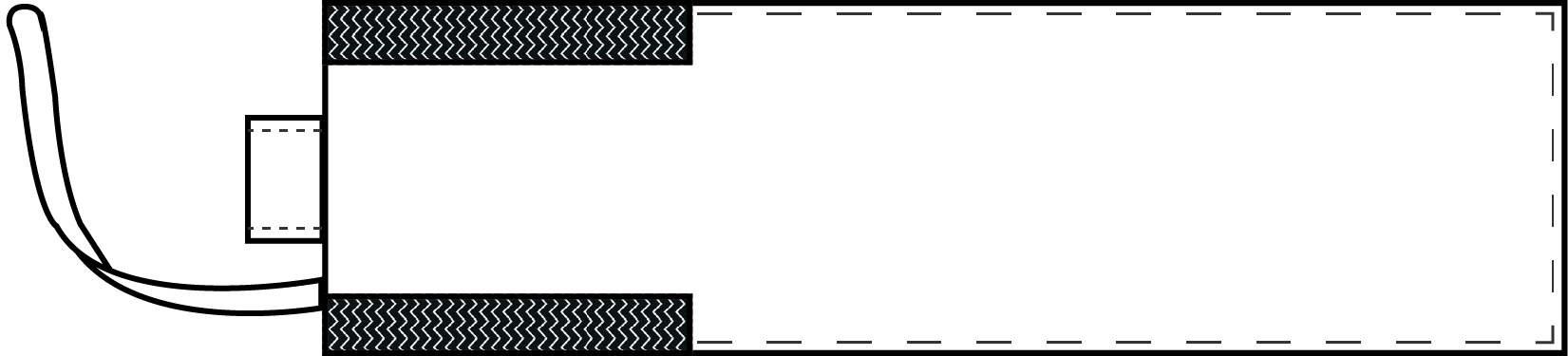
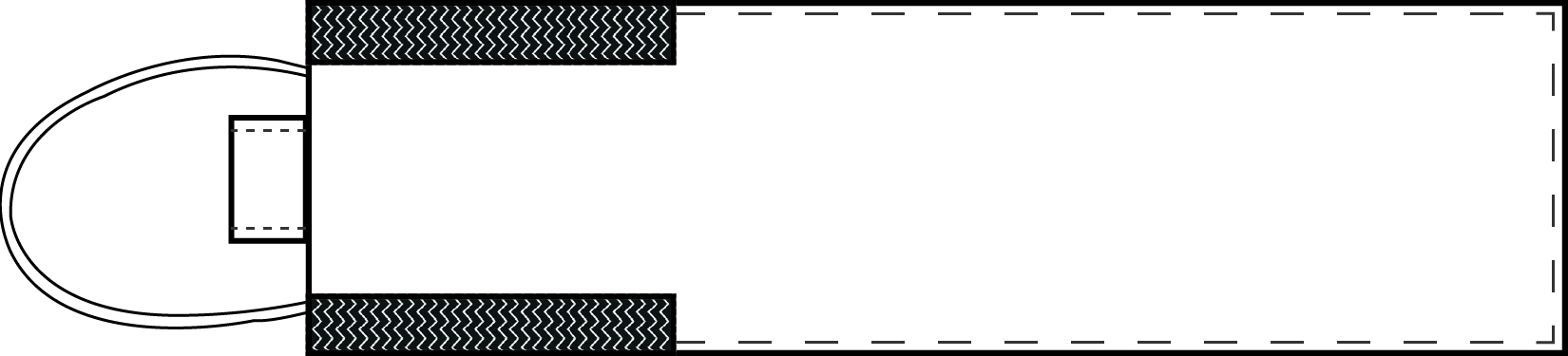
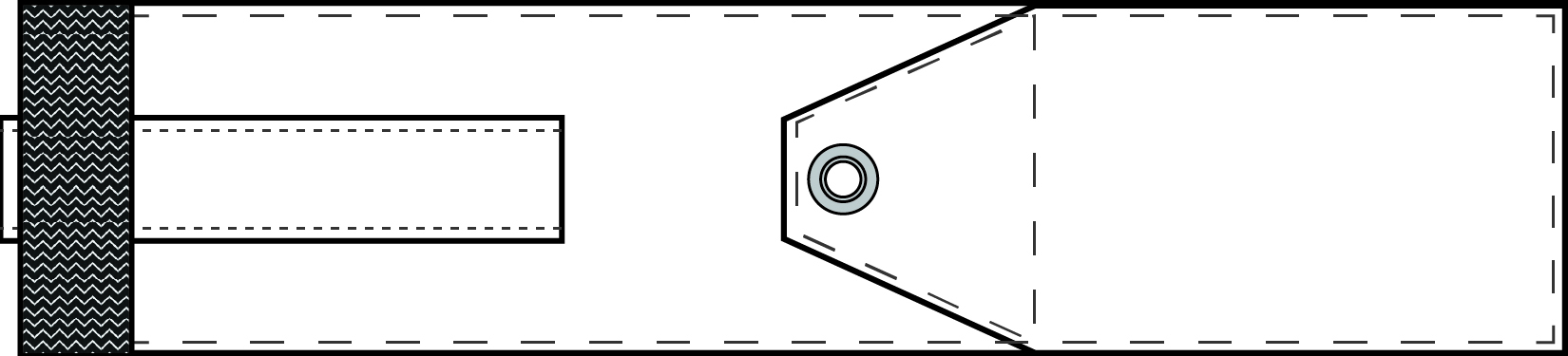
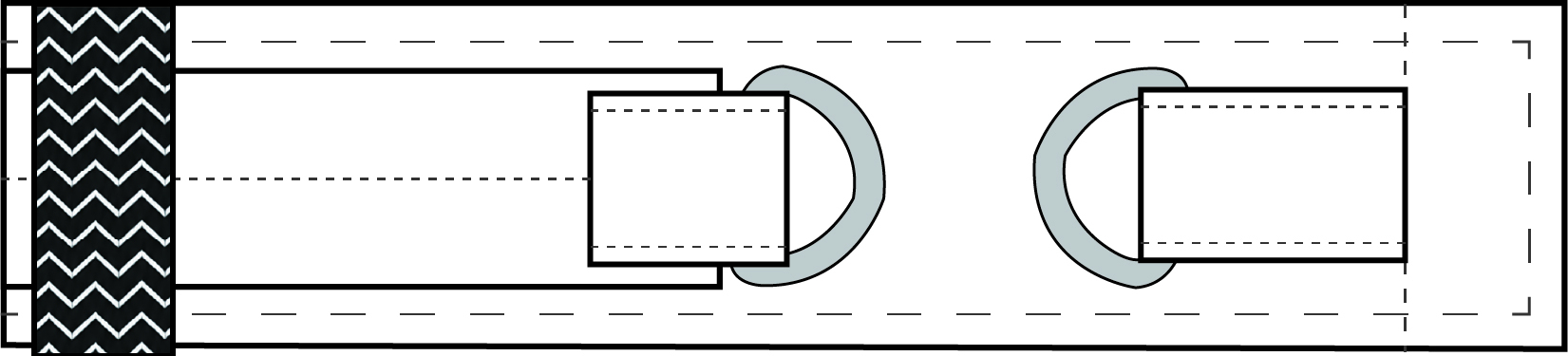
Receptacles
Where a headsail batten needs hardware at its forward end rather than a closed pocket, the receptacle is an interface: it contains the batten’s end and takes whatever load comes forward along it.
Unlike a mainsail, there is no car on a track to connect to, so the receptacle’s job is simpler — contain and reinforce, not connect. The requirement is that its section matches the batten and that the reinforcement around it is continuous with how the surrounding cloth carries load.
Configuring this at SurgeSails
Batten Type offers none, vertical or horizontal, with Vertical Batten Count or Full Battens and Short Battens following, along with Luff Receptacle and the leech finish for each batten type.
The default is none, which is right for most headsails.
Batten profiles, pocket widths and base widths are set from the batten arrangement, the sail’s size and the cloth.