
From the batten arrangement down to the end of each pocket. The arrangement is a choice; almost everything after it is a consequence, and the consequences have to be compatible with each other and with the track on the mast.
What the batten is doing mechanically
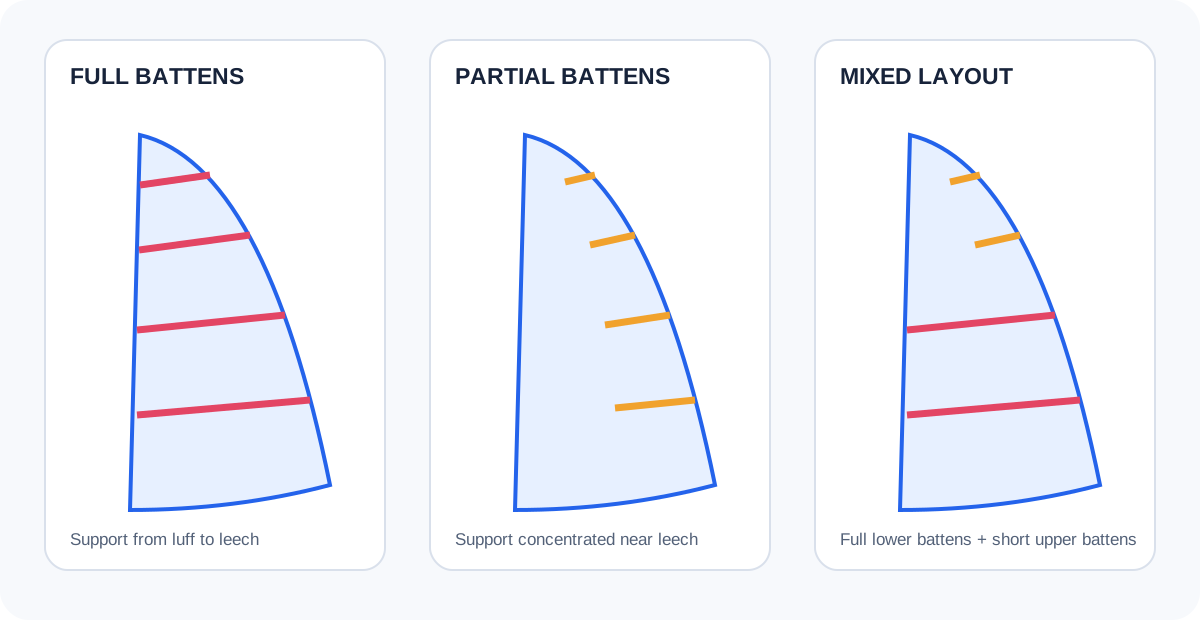
A batten is a stiff strip held in a pocket, and its job is to resist the leech’s tendency to curl and flutter and to hold out the roach.
A short batten is loaded almost entirely at its aft end. It resists the leech’s curl locally, transfers a modest load into the sail around the pocket, and needs nothing at its forward end but a closed pocket.
A full batten is a different structure. Leech tension puts it into compression along its whole length, and that compression has to be reacted at the forward end. It is pushed into the receptacle, from the receptacle into whatever connects to the mast, and from there into the track. The forward end of a full batten is therefore a load-bearing connection, not a way of closing a pocket.
This is the whole reason full-batten mainsails need cars rather than plain slides: a slide sitting loose in a groove has only the groove wall to press against, and pressing against it is exactly what makes a sail hard to lower under load.
Batten stiffness and taper
A batten is not uniformly stiff. It is normally stiffer at the aft end where it supports the leech and softer forward, so that it can take up a curve rather than forcing a flat section into the sail.
How stiff, and how the taper is distributed, follows from the sail’s size, its roach, the cloth and the intended use. A batten too soft for the sail lets the leech curl anyway; too stiff and it fights the shape the sail is trying to take, holding a flat spot where there should be a smooth section.
Batten profiles are engineered for the sail rather than selected, and they are not exposed as a choice.
The receptacle is an interface, not a cap
The fitting at the forward end of a full batten is a receptacle, and calling it a batten end cap understates it. It has three jobs at once: it contains the end of the batten, it takes the compression coming forward along it, and on most systems it is also the mechanical connection to the batten car.
Choosing the wrong one produces four distinct failures: the batten section will not fit into it, the tensioner does not match, the connection angle is wrong so the batten is loaded off-axis, or the sail simply cannot be attached to the cars on the mast.
Which receptacle is correct is determined by the batten section and by the car already on the boat. It is not a preference, and it cannot be established from a photograph of the sail alone — see Rig Interfaces and Installation Dimensions for what has to be recorded about the car.
Tension
Most full batten systems include a means of tensioning the batten in its pocket. The tension does something specific: it pushes the batten aft against the leech, taking out the slack that would otherwise let the leech curl, and it sets how much of the sail’s section the batten actually controls.
Too little and the batten rattles in its pocket and the leech behaves as though there were no batten. Too much and the batten is forced into a bend it should not have, pushing a hard spot into the sail and loading the receptacle and car continuously.
Pockets
The pocket has to contain the batten, contain the receptacle, and manage the wear and local distortion that come from a stiff object living inside a flexible surface under repeated load.
Three things are decided about it. The base, which spreads the batten’s load into the sail and has to align with the way the panels around it carry load. The cover, which closes it. And the entry direction, which determines from which side the batten is inserted and how the pocket behaves when the sail flogs.
Pocket and base widths follow from the batten section and the cloth. They are not configurable.
Finishing ends
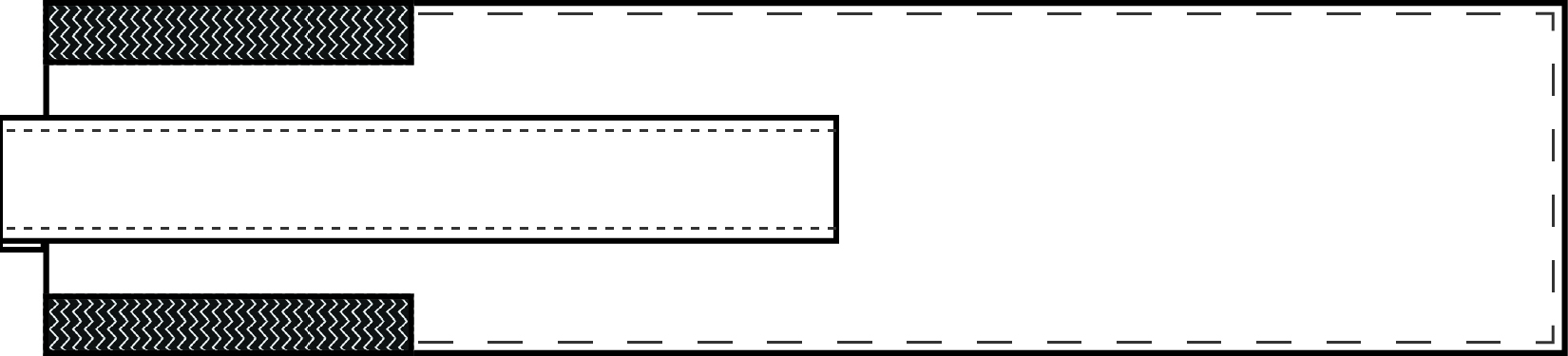
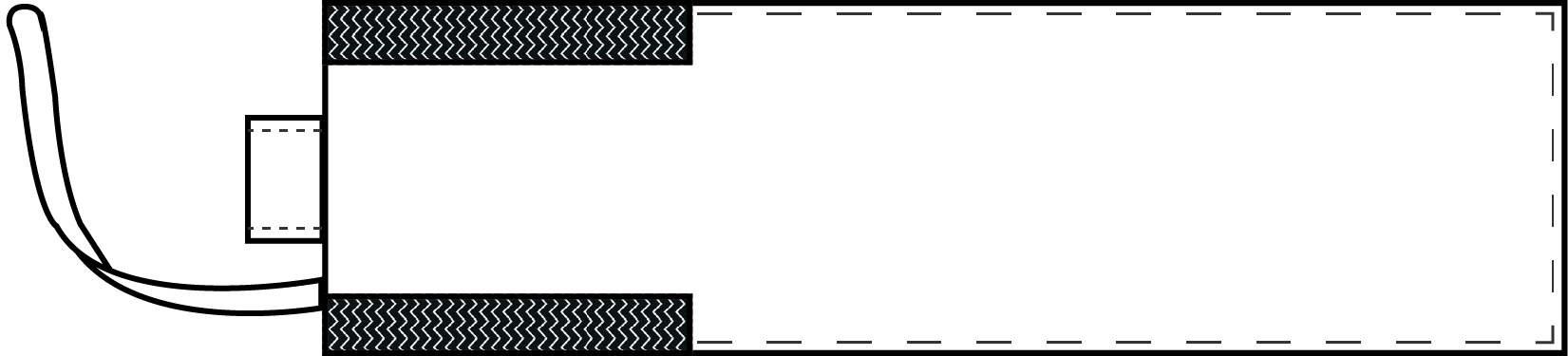
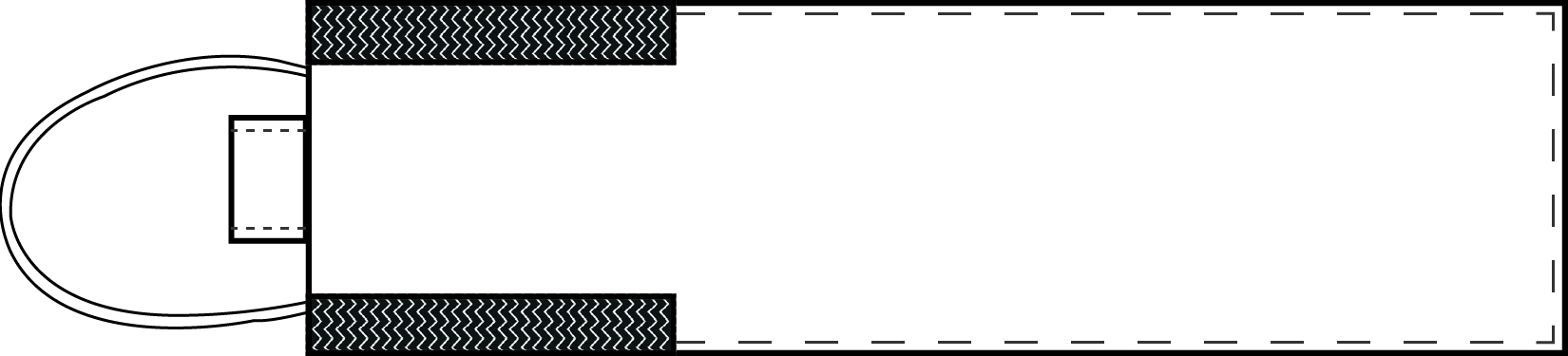
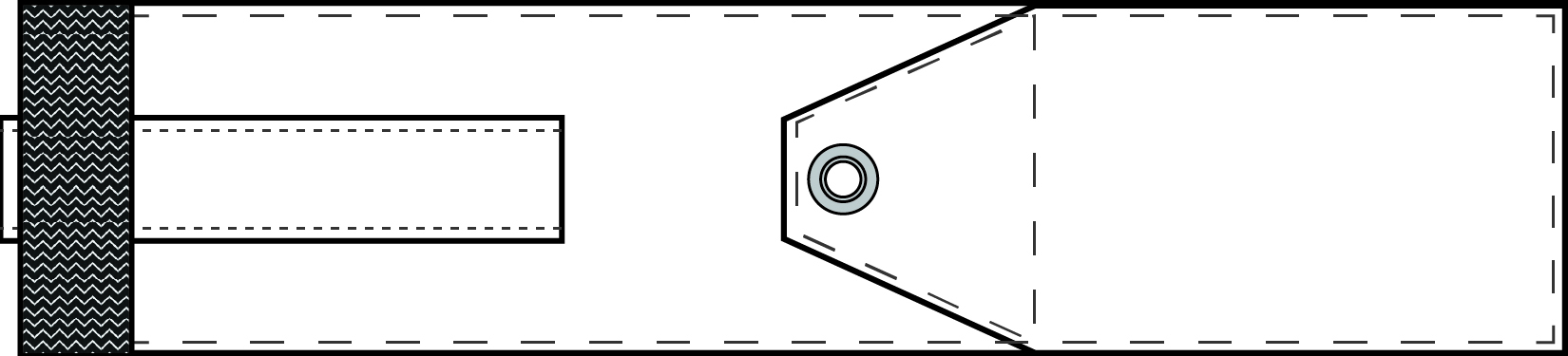
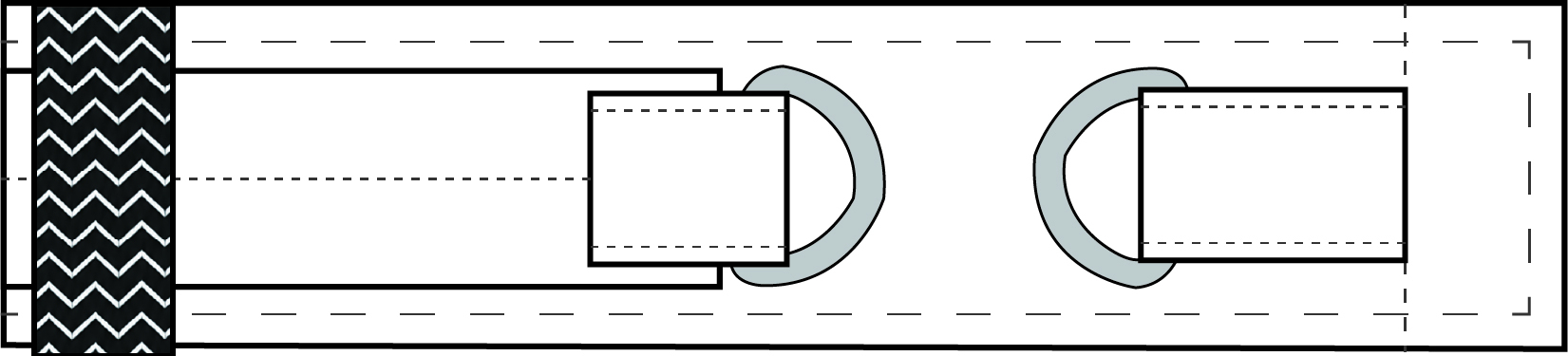
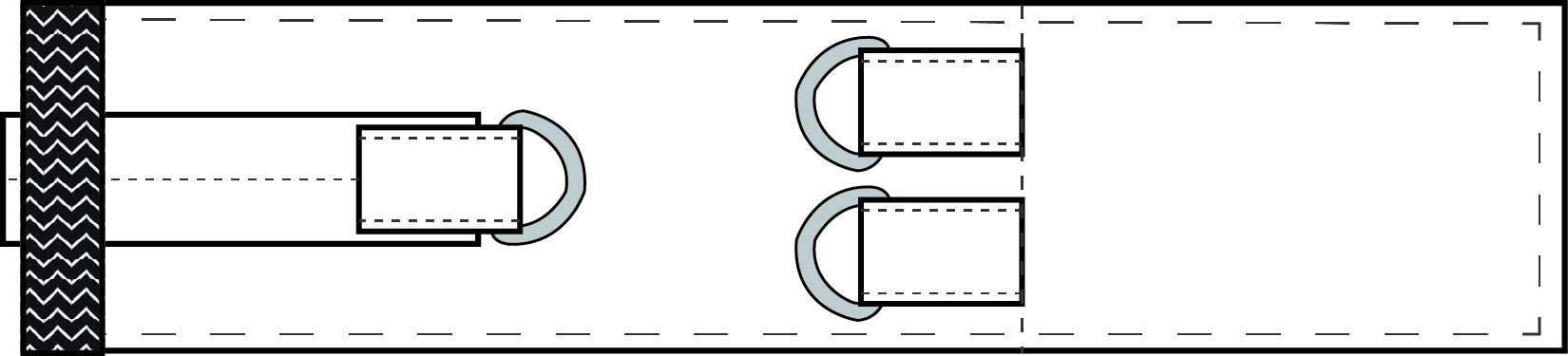
The end of the pocket has to hold the batten under load and release it when the batten needs to come out. Common approaches include hook-and-loop closures, folded flaps, ties, screw tensioners and dedicated end caps, and different suppliers use different names for what is substantially the same arrangement.
The practical test is the same regardless of which is used. It should be possible to remove and refit a batten with the sail down and no special tools, the closure should not release under load or when the sail flogs, and nothing should protrude that will catch on the lazy jacks every time the sail comes down. That last point is the one most often discovered too late.
Pocket finish reference
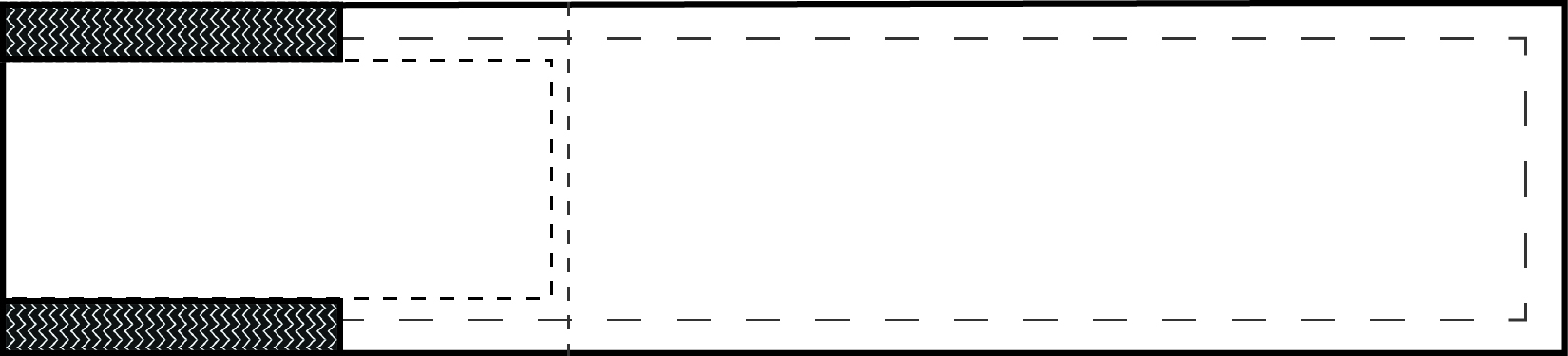
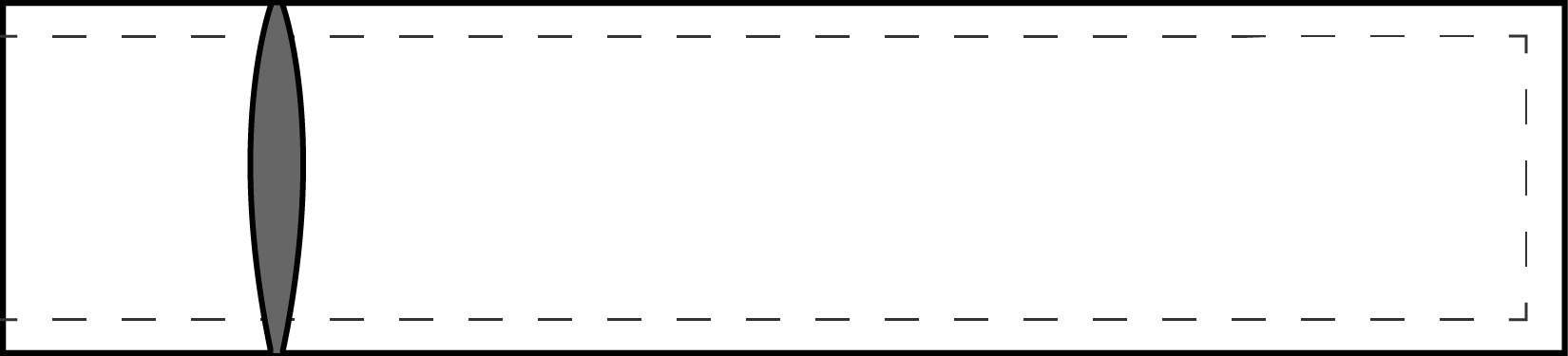
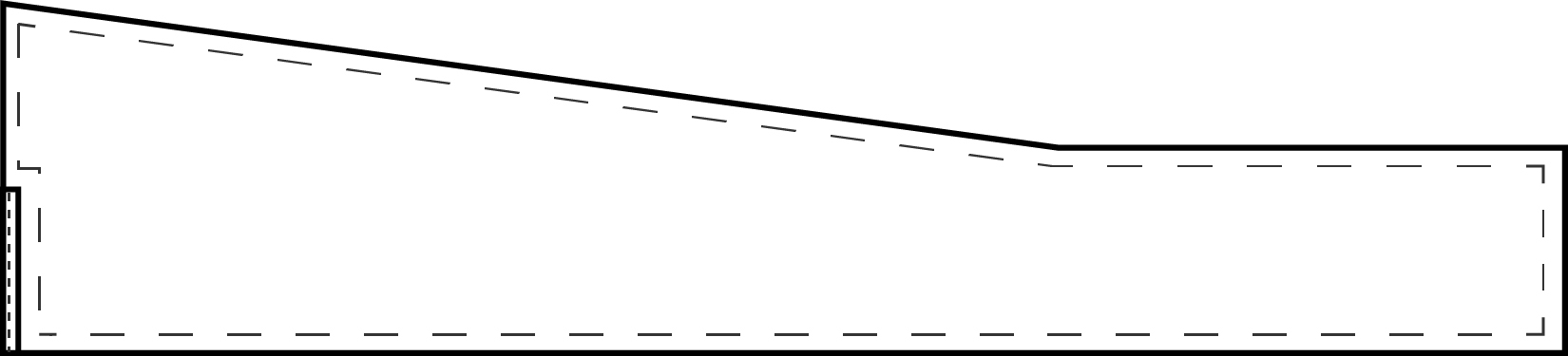
The production reference keeps nine finishes distinct. The two Velcro inserts and the three tie-in constructions are not interchangeable names: their access, hardware and load paths differ.
Counts have to agree
For a mainsail carried on cars, the number of batten cars has to match the number of full battens that connect to the track, and the head fitting and the plain slides between the battens are counted separately.
The exceptions are what matter. A batten position with no car. A special slide near the second reef. A car replaced after a failure that does not match its neighbours. A schedule that walks down the luff and records what is at each position catches all of these; a model number catches none of them.
Vertical battens
In-mast furling mainsails, where the system allows battens at all, use vertical ones — running up and down the sail so that they roll around the foil rather than across it.
They are a different structure serving a different purpose, and they are not interchangeable with horizontal battens in any respect. See In-Mast Furling Mainsails.
Configuring this at SurgeSails
Batten Layout, Full Battens, Short Battens, Luff Receptacle, Batten Car and the leech finish for each batten type are in the main form. In the Pro view, the batten tensioner becomes visible.
Batten profiles, pocket widths and base widths are not offered. They are determined by the batten arrangement, the sail’s size and the cloth.