
Two things: how many reefs the sail should have, and what the sail has to connect to when it is reefed. The first is a short decision. The second means walking down to the boat and photographing the gooseneck.
What a reef does
It matches the sail’s area to the wind, and it does two things at once. The area gets smaller — the obvious one. And the centre of effort comes down, which is half the benefit and easy to overlook: it is why a properly reefed boat stands up and steers rather than simply going slower.
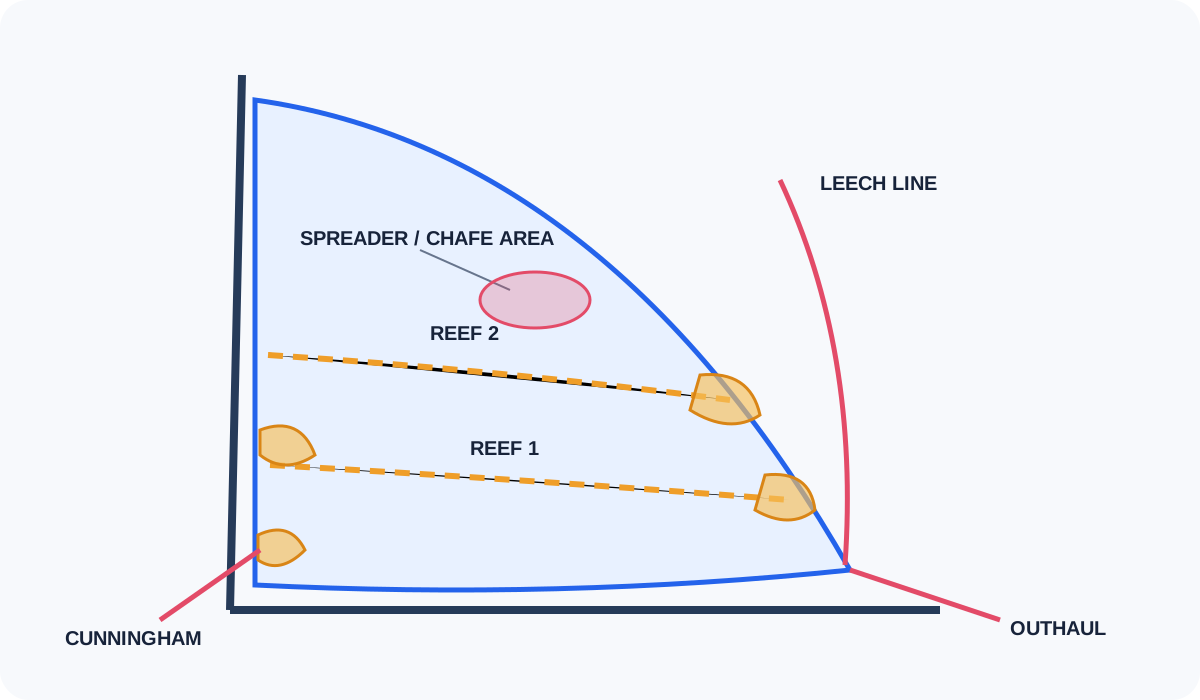
Reefed, the sail flies on a new tack and a new clew, and those two points carry the whole load. The reinforced points between them — the reef diamond — only gather the loose cloth so it does not flog. They tie loosely around the bunt of the sail, never around the boom.
Reefs take off more than the number suggests
Reef positions are quoted as a percentage of the luff, which is how they are set out and not how they feel. A mainsail is roughly triangular, so taking a proportion off the bottom shrinks height and width together and the area falls roughly as the square:
| Reef at | Area removed |
|---|---|
| 10% of luff | ~19% |
| 12% of luff | ~22% |
| 25% of luff | ~44% |
| 35% of luff | ~58% |
So the usual cruising arrangement takes off about a fifth at the first reef and a little under half by the second. Worth knowing before you choose, because it is the difference between the numbers looking timid and the reefs doing what you want.
How many
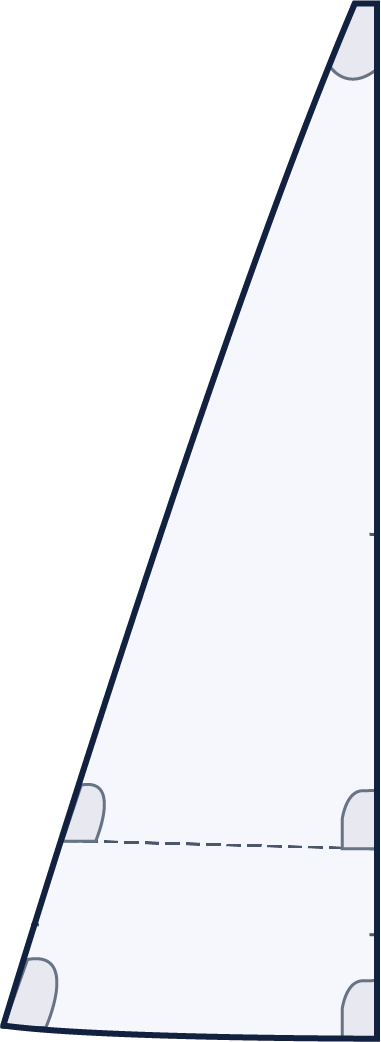
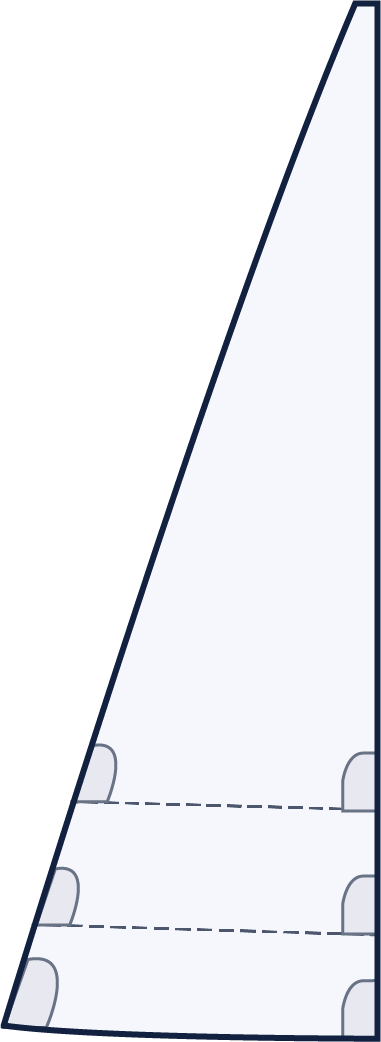
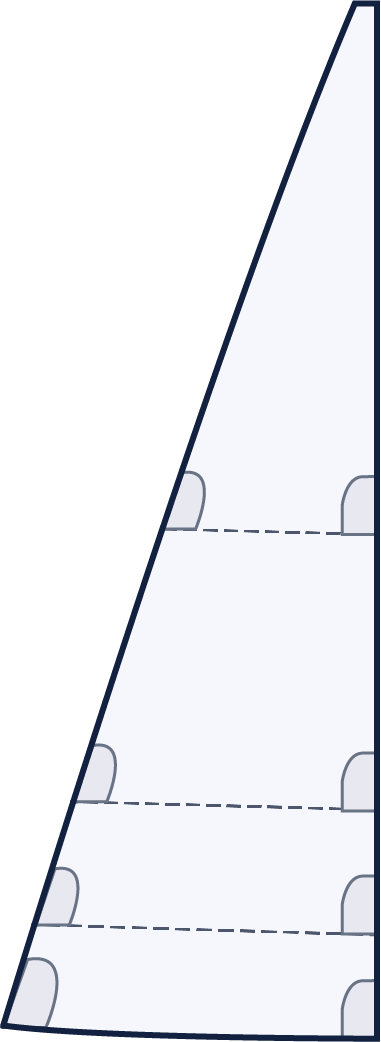
Two is the usual cruising answer, and the default. The first is for when the boat starts to feel over-pressed; the second for when it is going to stay windy all day. With only one there is a gap in the middle of the range, and people carry full main too long because reefing is too big a step to take casually.
One if you sail somewhere reliably moderate, or you race — a racing main works in a narrower band and every reef is reinforcement and hardware where weight matters most.
Three for offshore: passages long enough to be reefed all night, short-handed sailing where you would rather reduce in small steps early, or a boat that already carries noticeable weather helm under full main.
None is defensible for coastal daysailing on a small boat in a benign place.
One thing worth resisting: copying the count off the old sail without asking why. Old mainsails are very often reefed the way a previous owner sailed, somewhere else.
What the sail has to connect to
Both ends of every reef have to match hardware already on the boat, and this is the part that needs you to go and look.
At the front, the reef tack engages something at or near the gooseneck — a hook, a horn, or a line led to the mast or aft. Which of these it is, which way it faces, and how much room is around it all matter, because the reef tack has to reach it and engage it with the sail loaded.
At the back, a reefing line pulls the reef clew down and aft. Where it exits the boom, and whether it runs inside or outside, both matter.
Which side the reef tacks sit on follows from the arrangement at the gooseneck, not from where the lines exit the boom. Photograph that area and it is settled.
If you reef with a single line from the cockpit, say so — the load path and the fittings at both ends are different.
Photographs that settle it
- The gooseneck with the sail down: the tack fitting, the reef hook or horn, and the space around them
- The boom from the side, showing where each reefing line exits
- The clew and outhaul
- Your old sail’s reef tack and reef clew, connected and disconnected
Positions and finishes
The configurator starts the reef positions from the luff: roughly an eighth for a first reef, a quarter for a second, and rather more than a third for a third. The final positions also have to leave a useful step between reefs, produce a reefed foot the outhaul can tension, and avoid battens, seams and other reinforced areas.
When the sail is reefed, the reef tack and reef clew become the working tack and clew. They carry the full sailing load, so both are built as corners with their own reinforcement. The points between them — the reef diamonds — only gather the loose cloth and must never be tied around the boom.
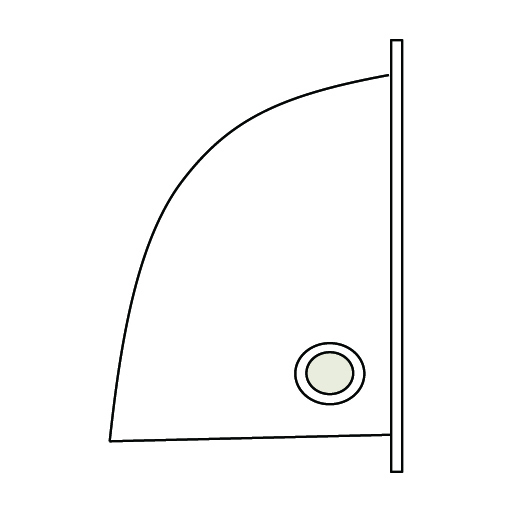
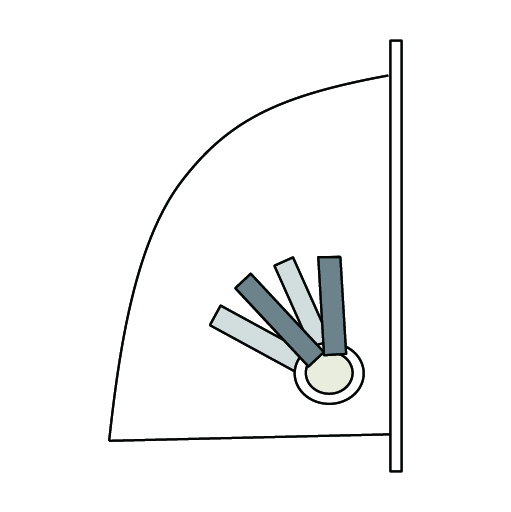
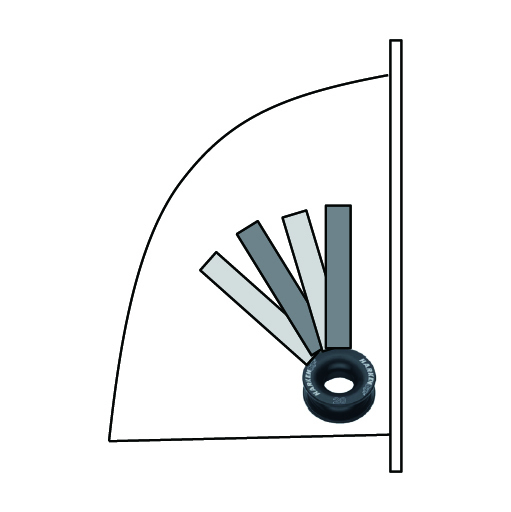
The finish at either end is not a styling choice. Press rings, webbing loops, low-friction rings and blocks suit different cloths and have to match the hook, horn, shackle or line already on the boat. A woven Dacron tolerates a concentrated pressed ring in a way a laminate or continuous-fibre structure does not; on those sails the fitting has to spread the load.
Reef Tack Finishes (Luff End)
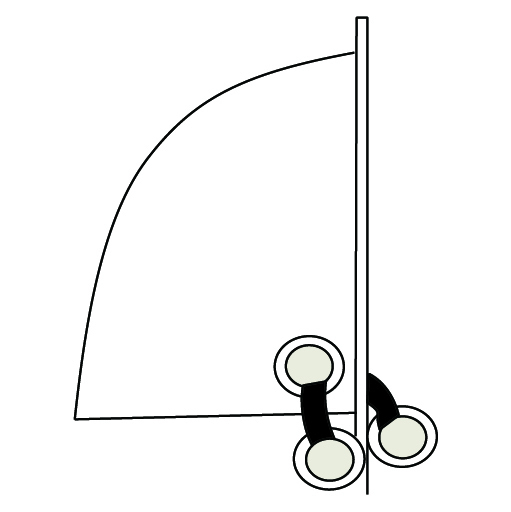
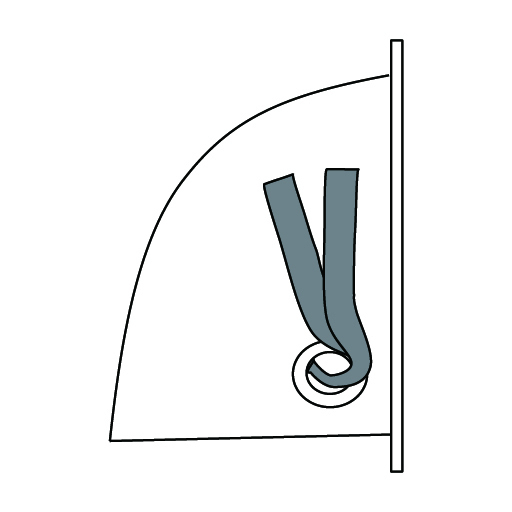
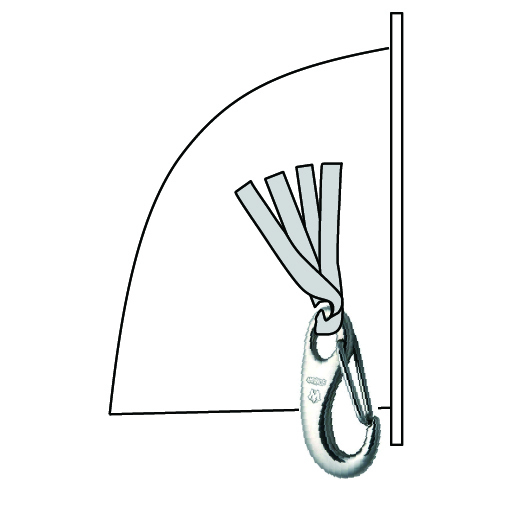
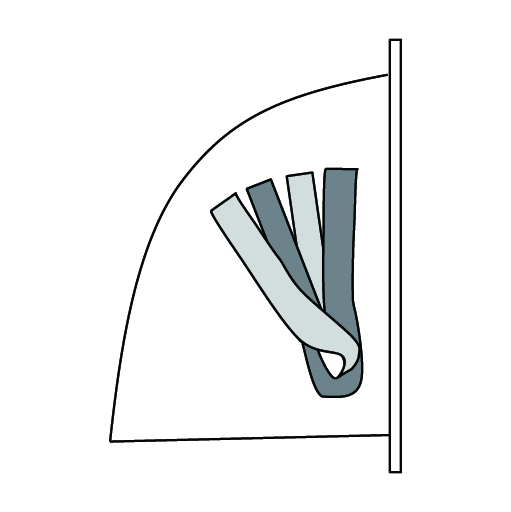
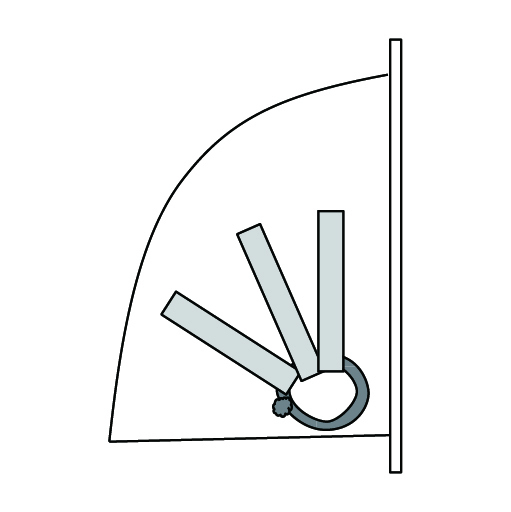
Reef Clew Finishes (Leech End)
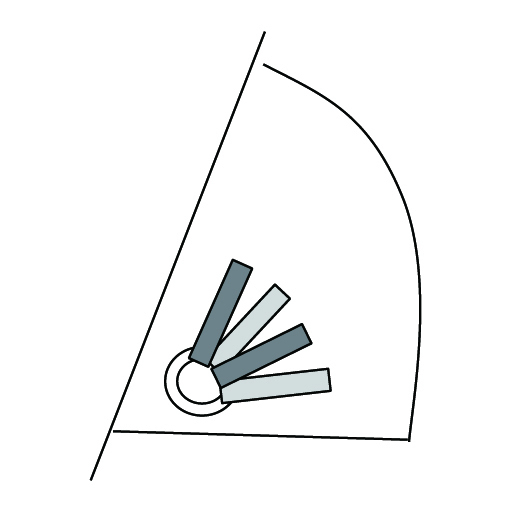
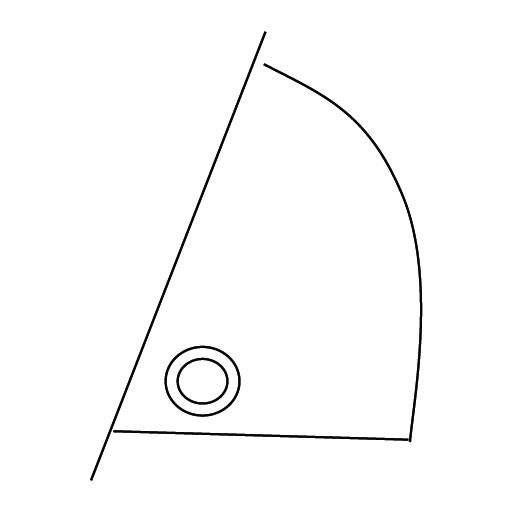
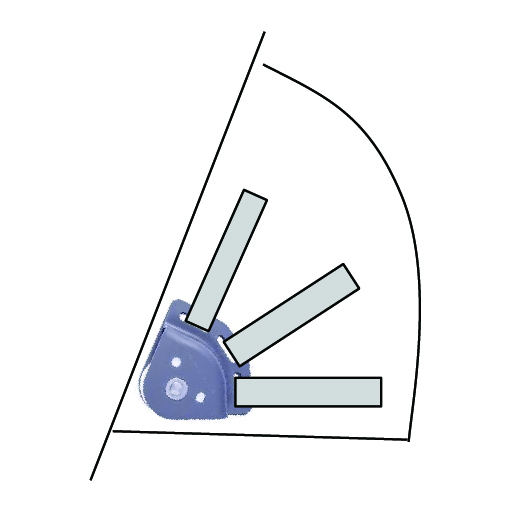
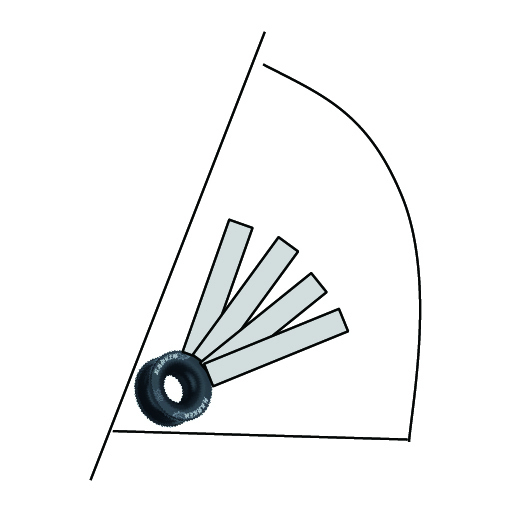
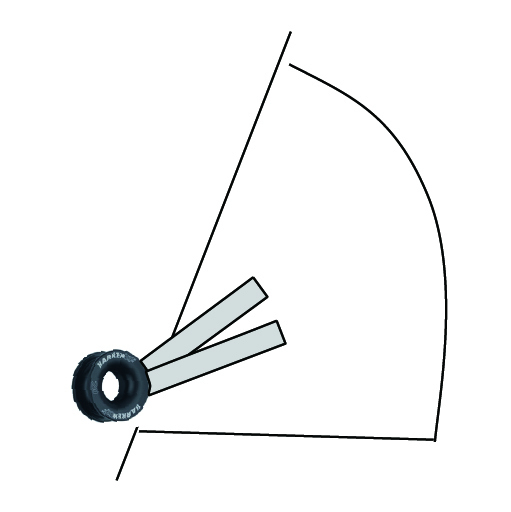
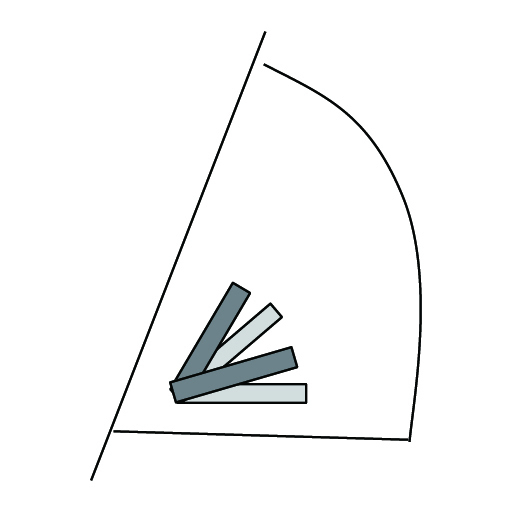
The reef tack also sits aft of the luff so it can reach the gooseneck fitting without the sail fouling the hardware. This Reef Cut Back, and the side each tack sits on, come from the actual gooseneck arrangement rather than preference.
Configuring this at SurgeSails
Reef Count is the field that matters — none, one, two or three. It arrives set from your Usage and for most owners it is right as it stands.
The reef heights and the side each tack sits on appear already filled in. They are a starting point calculated from the luff, confirmed against your boom and fittings before the sail is built. In Pro view, the reef-end finish, Reef Cut Back and Reef Diamond become visible; they remain constrained by the cloth and the hardware on the boat.
Furling mainsails have no reef points — see In-Mast or In-Boom.