
Two questions set the terms for everything else: what the sail is for, and how hard a life it is going to have. Both arrive with sensible defaults, and for most owners the defaults are right.
What the sail is for
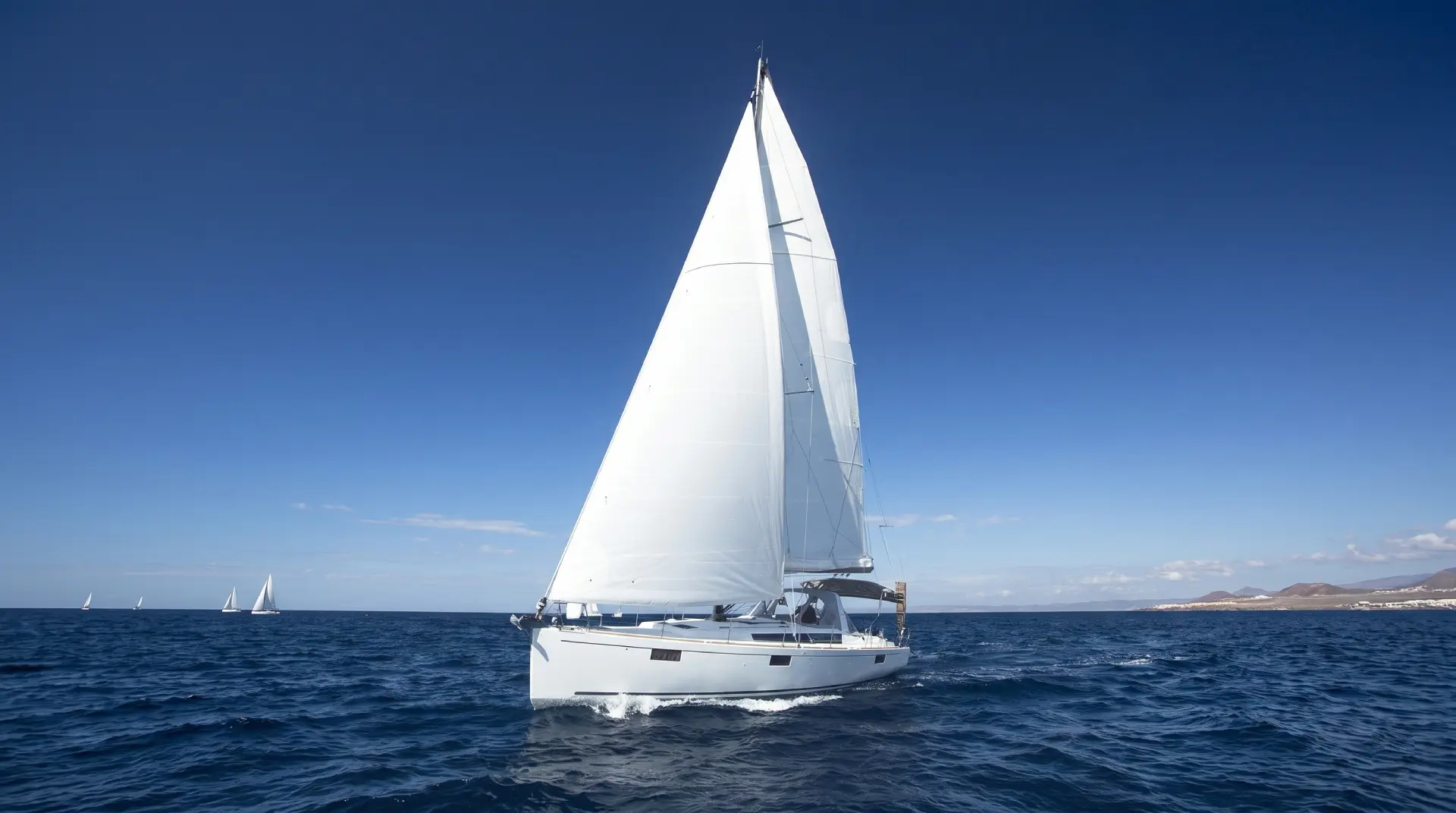
Cruising. The headsail is the sail that actually gets used — unrolled leaving the mooring, rolled away arriving, working partly furled for hours, and living on the forestay in between. So the priorities are unglamorous: a shape that stays usable partly rolled, protection that survives years of sun, cloth that tolerates being rolled and unrolled thousands of times, and an amount of overlap the crew will tack.
Performance cruising. The same handling requirements, with real weight given to how the sail holds its shape as the breeze builds. This is where a lower-stretch cloth starts to earn its cost, and where a sail that has gone soft after two seasons becomes irritating rather than acceptable.
Racing. A defined job in a defined range, with a crew to trim it. The trade-off against handling has not gone away; it has been transferred to people.
 |
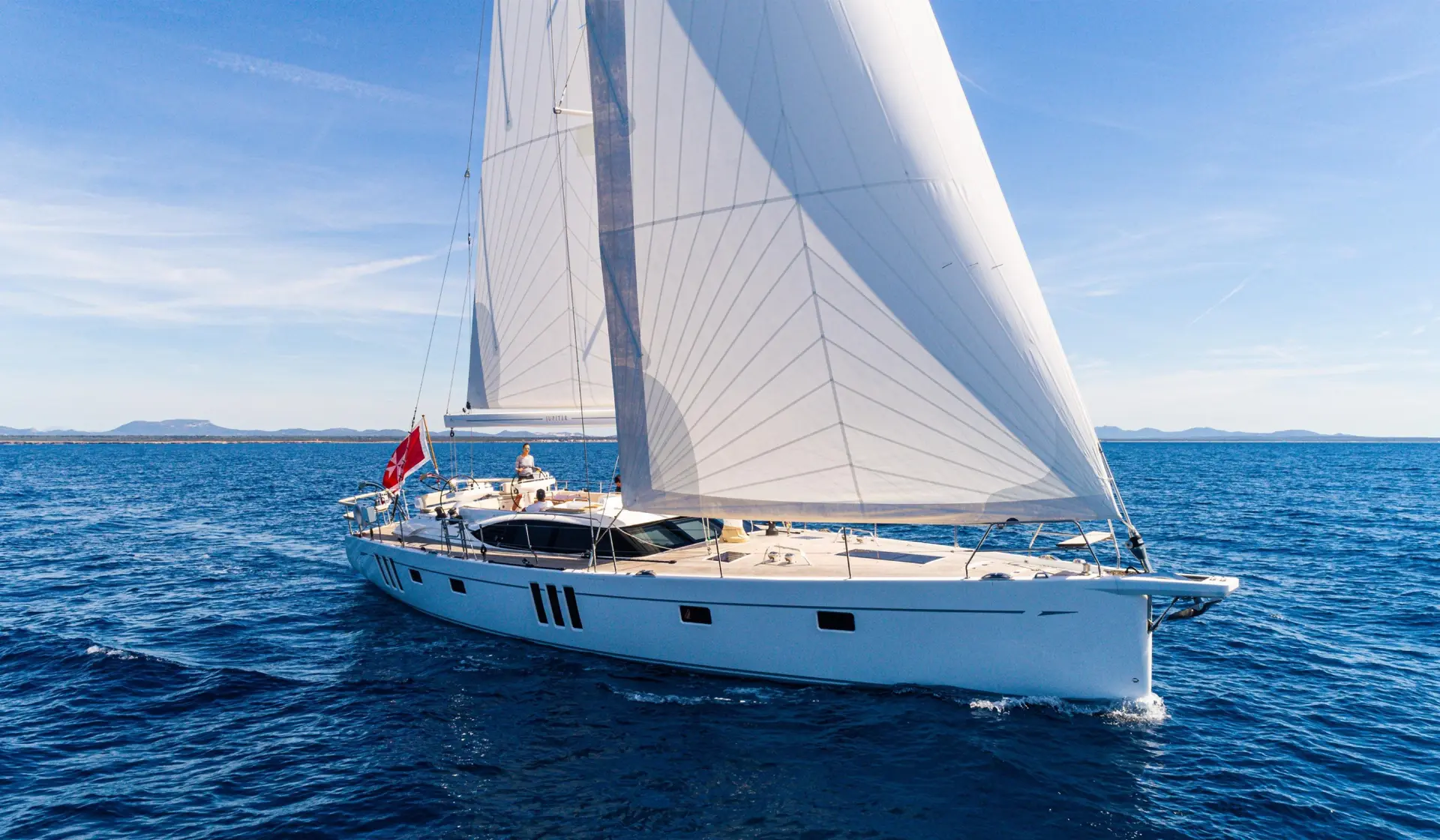 |
| CruisingReliable furling, protection and manageable overlap. | Performance cruisingThe same practical handling with greater shape retention. |
How hard a life it will have
Standard is the normal construction for the sail’s size, cloth and use.
Heavy-Duty builds the same sail more heavily where it takes the most wear — the luff, the stitching, the tapes along the edges, the corner patches — and in a heavier cloth. It suits long passages, heavy weather, and seasons without a service.
There is a specific reason to think about it on a headsail. The sail spends its life being rolled around a foil, which works the luff, the leech and the foot continuously, and it lives permanently exposed. What fails first is the edges, not the middle — which is exactly where the extra build goes.
Why the honest answer is worth giving
A headsail is handled far more than a mainsail. A mainsail is hoisted once and lowered once; a headsail is rolled in when a squall comes through, rolled back out afterwards, and dragged through the foretriangle every time the boat tacks. Every one of those works the sail.
So a sail specified for the boat you actually own will be a better sail in three years than one specified for the boat you might sail one day.
What these two answers change
The cloth family and weight. Where the reinforcement goes, which on a headsail means mostly the edges. What the UV protection is made of. And whether battens or reefs are worth having at all.
Configuring this at SurgeSails
Usage — Cruising, Performance Cruising or Racing — and Build Standard — Standard or Heavy-Duty.